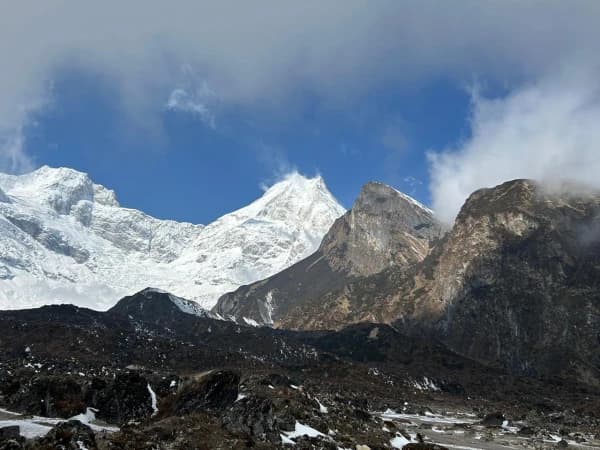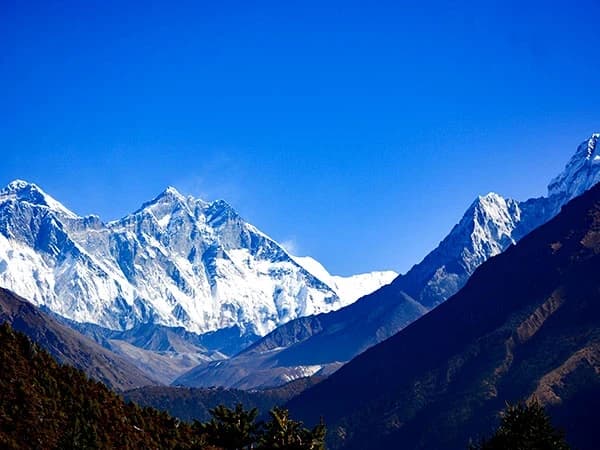
Lower Dolpo Circuit Trek - 15 Days

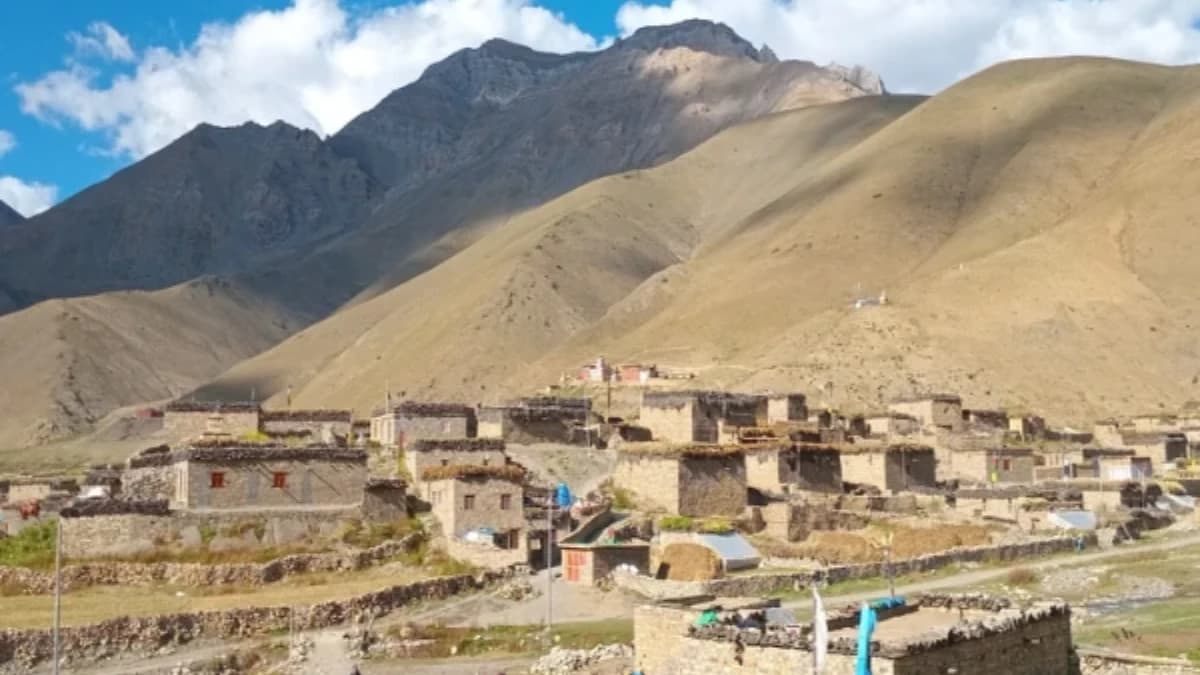
Ancient Buddhist stupas in Lower Dolpo, Nepal with desert mountains in the background.
Quick Overview
Duration15 Days
Trip GradeTechnically Challenging
CountryNepal
Maximum Altitude5,360m / 17,585ft
Group Size2-20
StartsKathmandu
EndsKathmandu
ActivitiesTrekking
Best TimeFeb, Mar, April, May, June, Sep, Oct, Nov & Dec

The 15-day Lower Dolpo Circuit is a challenging trek into a remote and restricted part of Nepal. You'll discover a stark, beautiful scenery of arid valleys, witness the incredible turquoise of Phoksundo Lake, and experience the unique local culture, which follows the ancient Bon-Po Buddhist traditions along historic salt trading paths.

What Makes This Trek Unforgettable

  • Experience the unique spiritual traditions in remote monasteries, including the ancient, pre-Buddhist Bon religion.
  • Trek through surprising, arid valleys in the Himalayan rain shadow, a dramatic and beautiful high-altitude desert.
  • Walk the same ancient trails used for centuries by Tibetan salt caravans and see yaks carrying goods even today.
  • Spot unique animals like the blue sheep and maybe even see signs of the elusive snow leopard in this remote wilderness.
  • Be amazed by the unreal turquoise-blue waters of Nepal's deepest lake, set within the beautiful Shey Phoksundo National Park.

15-Day Lower Dolpo Circuit Trek Overview

The Lower Dolpo Circuit Trek is one of Nepal’s most fascinating journeys, immersing you in the remote country of western Nepal. The trail passes through the heart of Dolpo, a region known for its dramatic mountain scenery, ancient Tibetan culture, and untouched wilderness. The trek offers a chance to experience a part of Nepal that has remained isolated for centuries, where traditional lifestyles are still preserved.

The route leads through Shey Phoksundo National Park, home to Nepal’s deepest and most beautiful lake, Phoksundo. Along the way, trekkers encounter barren cliffs, high passes, turquoise rivers, and hidden valleys that are dotted with traditional villages and Buddhist monasteries. The influence of Tibetan Buddhism is strong here, as reflected in the prayer flags, mani walls, and centuries-old gompas that line the trail.

Although considered a challenging trek due to its remoteness and altitude, the rewards are immense. You’ll cross several high passes over 5,000 metres, walk through pristine landscapes, and witness cultural traditions that few outsiders have seen. Unlike more commercial routes, Lower Dolpo offers true solitude, making it ideal for adventurous trekkers seeking a raw and authentic Himalayan experience.

This journey is more than just a trek—it is an immersion into the wild beauty of Dolpo and a window into the resilience and spirituality of the people who call this remote land home.

Before You Arrive

For a smooth and easy start, we highly recommend arriving in Kathmandu by 4 PM the day before we leave. This gives you enough time for a final gear check, a trip briefing with your guide, and to make sure you have everything you need before heading to the trek. 

Online Briefing

This is like having our first coffee before the trip, but online!  This online meeting is our chance to show you everything that will happen on the trip.  We'll discuss what to bring and what each day will be like and answer any questions.  After you book, we'll send you an email with a couple of times when we can talk. We'll set up the meeting after the booking process is completed. Also, our trek itinerary does not include your hotel stay in Kathmandu. During the online meeting, please share your preferences, budget, and the standard of the hotel you would like to stay at in Kathmandu. We will arrange it for you accordingly. 

Your Trek, Your Way

Experience the Himalayas on your terms. We create personal, intimate treks for groups of two or more. Whether you select our Budget, Standard, or Luxury package, your adventure will be exclusively for you and your companions, for a comfortable and personal journey from start to finish.

Kathmandu Accommodation

Your hotel in Kathmandu is not included in the trek package. During the online briefing before your trek, we will ask about your preferences and budget — whether you want a simple guesthouse or a five-star hotel — and help you arrange it. Your trek package begins when you leave Kathmandu for the mountains.

Compare Our Three Packages

  Budget Standard Luxury
Price from USD 1,000 USD 1,999 USD 3,500
Meals Choose your own (approx. USD 15-25/day) 3 meals + tea + fruits + 2L water daily All meals + all drinks anytime (except alcohol)
Room Shared teahouse Private twin w/ bathroom Private deluxe w/ bed heater
Porter Not included 1 per 2 trekkers 1 per trekker (carry nothing)
Guide 1 guide, assistant at 8+ 1 guide per 6, assistant at 6+ 1 guide per 2 trekkers
Transport Local vehicle Private tourist vehicle Luxury private vehicle
SIM data SIM only Limited data Unlimited data
Best for Backpackers and independent travellers Comfort trekkers, couples, families Premium experience seekers

Himalayas for Every Budget — same expert guides, same safety, three comfort levels.

Your Trek, Our Family

Shreejan Simkhada doesn’t just run a trekking company — he comes from three generations of Himalayan expertise. His grandfather arranged expeditions in the 1960s. His father served at the Nepal Tourism Board. Shreejan personally designs every itinerary and hand-picks the guide for your group.

Your guide will be one of our Nepal government well-trained professionals — qualified mountaineering experts, all with years of Himalayan experience. Shreejan briefs every guide personally before your trek begins.

Need anything? WhatsApp Shreejan directly: +977 9810351300.

Our Credentials

  • 197+ TripAdvisor Reviews — 4.9 out of 5 stars, TripAdvisor Travellers Choice 2024
  • 108+ Google Reviews — 4.9 out of 5 stars
  • TAAN Certified — Member #1586, Government Reg: 147653/072/073
  • Secure 10% Deposit — pay just $15 to reserve, via Himalayan Bank
  • Himalayas for Every Budget — breakfast, lunch, and dinner throughout the trek
  • Three Generations — family guiding in the Himalayas since the 1960s

Solo Trekkers Welcome

Most of our trekkers join solo — you will be part of a small group of like-minded adventurers from around the world. Our groups are kept small (2-20 people) so you get a personal experience, not a conveyor belt. Many of our solo trekkers tell us the group becomes like a second family by day three.

You also have the option to book the trek privately for yourself. If you choose to make it a public group, we will list your dates as fixed departures on our website so other solo travellers can join you.

Difficulty: Easy (1/5)

The shortest trek we offer — perfect for those with just 3 days. You will walk 4-5 hours per day to a maximum of 3,771m with panoramic Himalayan views. Suitable for anyone with basic fitness.

Trek With a Purpose — Changing the World, One Step at a Time

A portion of every booking supports the Nagarjun Learning Center, founded by our family in 2019. Today, 70 children receive free education and hot meals daily at our flagship centre in Saldum Village, Dhading District. We have also provided free medical care to 600+ people and reached 275+ women through support programmes. The centre is verified and listed on the UN Partner Portal.

When you trek with us, you are not just climbing mountains — you are building futures. Trek With a Purpose.

What Trekkers Say About Us

"The Dolpo region is unlike anywhere else in Nepal. Remote, wild, and completely untouched. Our guide had been there four times before and his knowledge of the trail made all the difference."

— Peter Hoffman, Switzerland (TripAdvisor, 5 stars)

"Shreejan personally called me before the trek to discuss fitness requirements and what to expect. That kind of personal attention from the CEO is rare. The trek itself was challenging but unforgettable."

— Sarah Collins, United Kingdom (Google, 5 stars)

"We chose The Everest Holiday because of their TripAdvisor reviews and they delivered on every promise. The guide, the food, the logistics — everything was handled perfectly."

— Carlos Mendez, Spain (TripAdvisor, 5 stars)

Read all 320+ reviews →

Short Itinerary
Day 01: The flight from Kathmandu (1,300 m / 4,265 ft) to Nepalgunj (150 m / 492 ft) involves a total elevation change.
Max Altitude: 1,300 m / 4,265 ft
Day 02: Flight from Nepalgunj (150 m / 492 ft) to Jhupal (2,320 m / 7,611 ft), then trek starts with  7 km / 4.3 miles to Dunai (2,850 m / 9,350 ft), usually around 3 hours with an elevation change of 530 m / 1,739 ft.
Max Altitude: 2,320 m / 7,611 ft
Day 03: Trek starts with a 15 km / 9.3 miles walk from Dunai (2,850 m / 9,350 ft) to Tarakot (2,543 m / 8,343 ft), usually around 6–7 hours with an elevation change of -307 m / 1,007 ft.
Max Altitude: 2,850 m / 9,350 ft
Day 04: Trek starts with a 12 km / 7.4 mi walk from Tarakot (2,543 m / 8,343 ft) to Laini (3,160 m / 10,367 ft), usually around 6–7 hours with a total elevation change of 617 m / 2,024 ft.
Max Altitude: 3,160 m / 10,367 ft
Day 05: Trek starts with a  10 km / 6.2 miles from Laini to Nawar Pani (3,545 m / 11,630 ft), usually around 5–6 hours with an elevation gain of 385 m / 1,263 ft.
Max Altitude: 3,545 m / 11,630 ft
Day 06: Trek starts with an 18 km / 11.2 miles from Nawar Pani (3,545 m / 11,630 ft) to Dho Tarap (4,090 m / 13,418 ft), usually around 7–8 hours with a total elevation change of 545 m / 1,788 ft.
Max Altitude: 4,090 m / 13,418 ft
Day 07: Rest and explore the village of Dho Tarap (4,090 m / 13,418 ft).
Max Altitude: 4,090 m/13,418 ft
Day 08: Trek starts with a 10 km / 6.2 mi walk from to Dho Tarap (4,090 m / 13,418 ft) to Numa La Base Camp (4,440 m / 14,566 ft), usually around  5–6 hours with an elevation change of 350 m / 1,148 ft.
Max Altitude: 4,440 m / 14,566 ft
Day 09: Trek starts with a 15 km / 9.3 mi walk from Numa la Base camp (4,440 m / 14,566 ft) to Pelung Tang (4,465 m / 14,648 ft), crossing Numa La Pass (5,190 m / 17,028 ft), usually around 7–8 hours with an elevation change of 725 m / 2,380 ft.
Max Altitude: 4,465 m / 14,648 ft
Day 10: Trek starts with a 12 km / 7.4 mile walk from Pelung Tang (4,465 m / 14,648 ft) to Dajok Tang (4,080 m / 13,385 ft), crossing Baga La Pass (5,070 m / 16,630 ft), usually around 6–7 hours with an elevation change of 990m / 3,245 ft.
Max Altitude: 4,465 m / 14,648 ft
Day 11: Trek starts with a 14 km / 8.7 miles from Dajok Tang (4,080 m / 13,385 ft)  to Ringmo (3,600 m / 11,811 ft) beside Phoksundo Lake, usually around 6–7 hours with an elevation change of 480 m / 1,575 ft.
Max Altitude: 4,080 m / 13,385 ft
Day 12: Acclimatisation at Phoksundo Lake
Day 13: Trek starts with a 16 km / 10 mi walk from Phoksundo Lake (3,612 m / 11,850 ft) to Shyanta (2,520 m / 8,267 ft), usually around 6–7 hours with a total elevation change of 1,092 m / 3,586 ft.
Max Altitude: 3,612 m / 11,850 ft
Day 14: Trek starts with a 7 km / 4.3 mi walk from Shyanta (2,520 m / 8,267 ft) to Jhupal (2,320 m / 7,611 ft), usually around 3–4 hours with a total elevation of 200 m / 656 ft.
Max Altitude: 2,520m / 8,267ft
Day 15: Morning flight back to Nepalgunj, then connect to Kathmandu (1,300 m / 4,265 ft).
Max Altitude: 1,300 m / 4,265 ft
Expand
Detailed Itinerary
Day 01:

The Lower Dolpo Circuit begins not in the mountains but in the sweltering heat of Nepal's Terai plains, and the contrast with what lies ahead could not be more stark. Your morning flight from Kathmandu drops you into Nepalgunj at just 150 meters above sea level, where the air is thick and humid and carries the mingled scent of diesel fumes, ripe mangoes, and woodsmoke from roadside stalls frying samosas in blackened kadais. This is a border town with one foot in the Indian subcontinent and the other in the Nepali hills, and its bazaar is a riot of colour, noise, and commerce that feels a world away from the silent valleys you'll reach in the days ahead.

Your guide will meet you at the airport with a vehicle already loaded with supplies for the trek. The drive to your riverside hotel takes twenty minutes through streets lined with bicycle rickshaws, sari shops, and tea vendors serving sweet chiya in tiny glass cups. Nepalgunj sits on the banks of the Rapti River, and your accommodation overlooks the slow brown water where egrets stand motionless in the shallows, waiting for fish. The temperature here regularly pushes past thirty-five degrees, so the hotel's shaded courtyard and ceiling fans feel like a small mercy. Use the afternoon to finalize your layering system and recheck your pack—you'll need everything from lightweight cotton for the Terai heat to a serious down jacket for passes above 5,000 meters, and there won't be another shop between here and Juphal.

Over dinner at the hotel, your guide will brief the group on the days ahead. Lower Dolpo isn't like the Everest or Annapurna regions. There are no bakeries selling apple pie, no Wi-Fi cafes, no heated dining rooms. Teahouse accommodation in Dolpo is basic even by Nepali standards — simple stone shelters with thin mattresses and dal bhat cooked over wood fires. What you lose in comfort, you gain in authenticity. This is one of the last places in the Himalaya where Tibetan Buddhist and Bon traditions survive largely unchanged, where yak caravans still carry salt across high passes, and where the rhythm of life follows the seasons rather than the tourist calendar. Your guide knows these trails and these people, and that knowledge is worth more than any guidebook.

Before bed, step outside and look north. The sky above Nepalgunj is hazy, but somewhere beyond that haze, rising through layers of forest and cloud, the mountains of Dolpo are waiting. Tomorrow's dawn flight will carry you over the middle hills in less than an hour, delivering you to the trailhead at Juphal—and from that moment, the modern world begins to fall away. Check that your insurance documents are in order and your restricted area permit is secured in your daypack. Dolpo's restricted status means fewer trekkers reach it each year than summit Everest, and that exclusivity is precisely why the region remains so extraordinary. Set your alarm early. The flight to Juphal depends on clear weather, and in the mountains, the early morning window is everything.

View the Full Lower Dolpo Circuit Trek Route on Google Maps

Max Altitude: 1,300 m / 4,265 ftMeals: Breakfast, Lunch & DinnerAccommodation: Tea House or Lodge
Day 02:

The twin-propeller aircraft lifts off from Nepalgunj's steaming runway, and within minutes you're climbing over forested ridges that fold into one another like crumpled green cloth. The flight to Juphal is short — barely forty minutes — but it compresses a transition that would take days on foot: from the flat, subtropical Terai to the dry, pine-scented air of western Nepal's middle hills. Press your face to the window. Below you, rivers carve white threads through valleys so narrow that the villages clinging to their banks look like they might slide into the water at any moment. Your guide, sitting across the aisle, catches your eye and grins. He's done this flight dozens of times, but the view still gets him.

Juphal's airstrip is a dirt runway carved into a hillside at 2,320 meters, and the landing is the kind that makes passengers applaud. Step off the plane, and the difference from Nepalgunj hits immediately—the air is cool, dry, and scented with blue pine and juniper. Porters are already sorting loads beside the runway, and your guide wastes no time organizing the group for the trek to Dunai. The trail follows the Bheri River downstream through a valley that feels both vast and intimate, with forested slopes rising steeply on both sides and the river running jade-green over polished boulders below. The walking is gentle — seven kilometres on a well-worn path — and your guide will set a pace that lets everyone find their rhythm without rushing.

Along the trail you'll pass through small settlements where dal bhat is served on steel plates under corrugated tin roofs, and children wave from doorways with smiles that haven't yet learned to ask for sweets or pens. This is Dolpo District, Nepal's largest and least populated, and its people have a quiet self-sufficiency that comes from centuries of living far from roads, hospitals, and government offices. Your guide will point out the distinctive flat-roofed architecture that appears more frequently as you move north—a design borrowed from the Tibetan plateau rather than the Nepali hills and an early hint of the cultural landscape you'll enter over the coming days. Listen for the sound of water mills grinding grain beside the river, a slow rhythmic clunking that has provided flour to these communities for generations.

Dunai appears in the late afternoon, a compact town straddling the confluence of two rivers at 2,850 meters. As the district headquarters of Dolpo, it's the last settlement with anything resembling modern amenities—a few shops selling biscuits and batteries, a police checkpoint where your permits will be inspected, and a handful of lodges with simple rooms. Your accommodation tonight is basic but clean, and the dal bhat will be hot and plentiful. After dinner, walk to the suspension bridge that spans the Bheri and watch the last light turn the water from green to black. Tomorrow you'll push deeper into the valley toward Tarakot, and the settlements will grow smaller, the trail quieter, the mountains closer. This is what you came for. Trust your guide, drink plenty of water, and let the valley set the pace. There's no hurry in Dolpo. There never has been.

Max Altitude: 2,320 m / 7,611 ftMeals: Breakfast, Lunch & DinnerAccommodation: Tea House or LodgeDuration: 3 hoursDistance: 7 km / 4.3 milesElevation: 530 m / 1,739 ft.
Day 03:

The trail from Dunai to Tarakot follows the Bheri River upstream through a valley that narrows and widens in turns, each bend revealing a new composition of cliff, forest, and water. You're walking fifteen kilometres today, and your guide will break it into manageable sections with rest stops at small teahouses where the owner brews bitter black tea over a wood fire and seems genuinely surprised to see foreigners. This stretch of the trail receives so few trekkers that your arrival is an event, and the curiosity is mutual — you'll find yourself studying the intricate woodwork on house lintels while the locals study your trekking poles and Gore-Tex with equal fascination.

The river crossings are a feature of this section. Some are bridged with sturdy cables and wooden planks; others require stepping across boulders where the water runs fast and cold. Your guide will go first, testing each crossing and offering a hand where the footing is uncertain. The Bheri is a powerful river, fed by snowmelt from the passes you'll cross later in the trek, and its roar fills the valley with a constant low thunder that becomes background music by mid-morning. Between crossings, the trail climbs through stands of blue pine where woodpeckers hammer and langur monkeys watch from high branches with their pale, serious faces. The air smells of resin and warm earth, and the sunlight filtering through the canopy creates patterns on the path that shift with every breath of wind.

Tarakot comes into view in the early afternoon — first the ruins of an ancient fort perched on a hilltop above the village, then the village itself: a cluster of flat-roofed stone houses arranged in terraces above the river. The fort, known locally as Dzong, dates back centuries and once controlled the trade route between the Tibetan plateau and the lowlands of Nepal. Your guide will tell you how salt, wool, and grain once moved through this valley on the backs of mules and yaks, and how the families who controlled Tarakot's fort grew wealthy from the taxes they levied on every load. Today the fort is a ruin — walls crumbling, doorways open to the sky — but its position is magnificent, and the climb up to explore it rewards you with views down the valley you've just walked and north toward the higher country ahead. Bring your camera but also simply stand and look.

The village below the fort has a distinctly Tibetan character. Prayer flags flutter from rooftops, mani walls of carved stones line the approach path, and the faces of the villagers reflect the mixed Tibetan and Nepali heritage of this borderland region. Dinner tonight is dal bhat again — it will be dal bhat most nights in Dolpo, and you'll learn to appreciate the subtle variations each cook brings to the dish. The lentils here taste different from those in Dunai, earthier, cooked with a local spice your guide calls jimbu, a wild Himalayan herb with a flavour somewhere between garlic and chives. As darkness falls and the stars appear in numbers that seem almost aggressive in their brightness, you can feel the weight of history and isolation settling over the village. There are no ATMs beyond Dunai, no mobile signal, no electricity grid. You are walking into one of the last truly remote corners of the Himalaya.

Max Altitude: 2,850 m / 9,350 ftMeals: Breakfast, Lunch & DinnerAccommodation: Tea House or LodgeDuration: 6–7 hoursDistance: 15 km / 9.3 milesElevation: 307 m / 1,007 ft
Day 04:

The trail beyond Tarakot begins to climb in earnest, and by the time you've been walking for an hour the Bheri River valley has fallen away below and the landscape has shifted from broadleaf forest to dark stands of pine interspersed with clearings where wildflowers — asters, gentians, and tiny yellow cinquefoils — dot the grass like scattered confetti. Today's twelve-kilometre walk to Laini takes you through one of the most beautiful forest stretches of the entire circuit, and your guide will set a steady pace that allows time to absorb the details: the way spider webs catch the morning dew in silver sheets between pine branches, the sharp whistle of a Himalayan monal pheasant startled from the undergrowth, its iridescent plumage flashing green and copper as it crashes through the trees.

By mid-morning you'll reach the checkpoint where your restricted area permit is examined for the second time. The Dolpo restricted zone begins here, and the permit system exists precisely to limit visitor numbers and protect the region's fragile culture and ecology. Your guide handles the paperwork while you rest on a stone wall and study the landscape ahead. The valley is narrowing, the slopes steeper, and the vegetation thinning as you gain altitude. At 3,160 metres, Laini sits in a transitional zone between the forest below and the high, treeless country above, and the air here has a bite to it that wasn't present at breakfast. Pull on your fleece layer during rest stops — the moment you stop generating body heat, the mountain air reminds you of the altitude.

The pine forests through which you're walking are home to musk deer, Himalayan black bear, and snow leopard, though the latter is so elusive that even your guide, who has spent years on these trails, has seen one only twice. What you will see are tracks — the neat paired hoofprints of musk deer in soft earth beside the trail, the occasional scratch marks on bark where a bear has climbed for honey. Your guide reads these signs the way a commuter reads a bus timetable, casually and without breaking stride. He'll also point out medicinal plants that the local amchi — traditional Tibetan doctors — harvest from these forests. The traditional knowledge systems of Dolpo have been studied by ethnobotanists for decades, and many of the remedies have proven pharmacological value. The forest isn't just scenery here. It's a pharmacy, a larder, and a spiritual landscape all at once.

Laini is a small settlement — a handful of stone houses, a couple of teahouses, and a chorten at the trail junction decorated with faded prayer flags. Your lodge is simple: a shared room with thin mattresses on a raised wooden platform, a smoky kitchen where the owner's wife is already preparing dinner, and an outdoor latrine that offers an unexpectedly spectacular view of the surrounding ridges. The accommodation in Dolpo won't win any comfort awards, but there's something liberating about stripping life back to essentials — a warm meal, a dry bed, and good company around a fire. Your guide will check everyone's oxygen levels with a pulse oximeter tonight, a routine that continues every evening for the rest of the trek. You're not high enough for serious altitude concerns yet, but the discipline of daily monitoring starts early and saves lives later.

Max Altitude: 3,160 m / 10,367 ftMeals: Breakfast, Lunch & DinnerAccommodation: Tea House or LodgeDuration: 6–7 hoursDistance: 12 km / 7.4 miElevation: 617 m / 2,024 ft.
Day 05:

The morning walk from Laini to Nawar Pani takes you above the tree line and into a landscape that feels closer to Tibet than to Nepal. The pine forests thin and then vanish entirely, replaced by alpine meadows where short, wiry grass ripples in a wind that carries the distant clang of yak bells. These high pastures, known locally as kharka, have sustained semi-nomadic herders for centuries, and you'll pass their summer shelters — low stone walls roofed with yak-hair blankets — standing empty now or occupied by a solitary herder who raises a hand in greeting as you pass. The sky above is an enormous dome of blue so deep it almost looks purple at the zenith, and the visibility is extraordinary. Your guide points south, where the hills you climbed through yesterday are already small and distant, layered in shades of green and grey.

The ten-kilometre walk gains roughly 400 metres of altitude, and your guide will insist on frequent water breaks. Acclimatisation at this stage is less about dramatic altitude gain and more about letting your body adjust to the cumulative effect of several days above 3,000 metres. Drink before you're thirsty. Eat even when appetite fades. Walk at a pace where you could hold a conversation without gasping. These are the simple rules your guide repeats each morning, and they work. The trail itself is not technically difficult — a well-worn path through open country — but the absence of trees means full exposure to sun and wind. Apply sunscreen generously, wear a hat, and keep your wind layer accessible in the top of your pack.

As you approach Nawar Pani, the valley opens into a broad, rolling plateau dotted with grazing yaks. These are not the domesticated, placid animals of a petting farm — Dolpo yaks are semi-wild, powerfully built, and decorated with red tassels woven into their shaggy manes by their herders. They watch you with dark, unreadable eyes as you pass, occasionally snorting clouds of vapour into the thin air. The herders who tend them are Dolpo-pa, an ethnic group of Tibetan origin whose way of life was documented in the Oscar-nominated film Caravan (also known as Himalaya). They are quiet, self-contained people with weathered faces and an ease in this harsh landscape that speaks of generations of adaptation. If you're invited into a herder's shelter for butter tea, accept without hesitation. The tea is salty, slightly rancid, and an acquired taste, but the gesture of hospitality in this remote place carries a significance that transcends flavour.

Nawar Pani at 3,545 metres is little more than a collection of seasonal shelters and a single basic teahouse, but the setting is magnificent — a wide meadow backed by snow-streaked ridges that glow amber in the late afternoon light. Tonight's dinner is dal bhat with tsampa, roasted barley flour that the Dolpo-pa mix with butter tea into a dough and eat with their fingers. It's filling, nutritious, and so distinctly Tibetan that eating it here, in this landscape, feels like stepping into a different century. The food in Dolpo is simple but sustaining, and your body, working hard at altitude, will crave every calorie. As the temperature drops after sunset — and it drops fast at this altitude — gather around the kitchen fire with your group, share stories, and watch the stars emerge in a sky so clear that the Milky Way casts a faint shadow on the ground. Photograph the night sky if you can, but also just sit with the silence. Dolpo's silence is one of its most powerful gifts.

Max Altitude: 3,545 m / 11,630 ftMeals: Breakfast, Lunch & DinnerAccommodation: Tea House or LodgeDuration: 5–6 hoursDistance: 10 km / 6.2 mileElevation: 385 m / 1,263 ft.
Day 06:

This is the longest day of the trek, and your guide will have you moving before dawn. Eighteen kilometres separate Nawar Pani from Dho Tarap, and the terrain is demanding — long ascents across exposed ridgelines, descents into side valleys, and a final approach across the floor of one of the most extraordinary valleys in the Himalaya. The first hour is walked by headtorch, following your guide's steady footsteps across frost-hardened grass while the eastern horizon slowly brightens from charcoal to rose. When the sun finally clears the ridge and floods the plateau with golden light, the landscape revealed is so vast and empty that it takes a moment to process. You're walking through the inner Dolpo plateau, a high-altitude desert of brown earth and pale sky that looks more like Mongolia than Nepal.

The trail gains and loses altitude repeatedly throughout the morning, testing legs that have now been walking for five consecutive days. Your guide carries altitude medication in the group first-aid kit but prefers prevention through pace — he'll slow the group on uphills and call rest stops before anyone needs to ask. Lunch is taken in a sheltered hollow where a stream provides water and a few flat rocks serve as seats. The dal bhat your cook prepares tastes extraordinarily good, partly because of genuine hunger and partly because eating hot food in a cold landscape activates something primal and satisfying. Refill your water bottles here. The afternoon stretch is dry and exposed, and dehydration at altitude accelerates everything from headaches to fatigue.

The entrance to the Tarap Valley announces itself gradually — the plateau narrows, rocky walls close in, and then suddenly the valley opens before you in a panorama that stops your group in its tracks. Dho Tarap sits at 4,090 metres in a broad, flat-bottomed valley surrounded by mountains that rise another two thousand metres on every side. The scale is almost incomprehensible. Prayer flags string between chortens at the valley entrance, and a large gompa — a Tibetan Buddhist monastery — occupies a rocky outcrop above the village. This is the heartland of Dolpo's Tibetan culture, a community that has maintained its Buddhist and Bon traditions through centuries of isolation. The Dolpo-pa who live here speak a Tibetan dialect, wear traditional chuba robes, and follow a calendar of religious festivals that has barely changed since their ancestors crossed the passes from Tibet generations ago.

Your lodge in Dho Tarap is the most comfortable you'll find in inner Dolpo — which means a private room with a wooden door, a mattress stuffed with straw, and a kitchen where butter tea flows freely. After seven or eight hours of walking, that simplicity feels like luxury. Wash the trail dust from your face, change into dry socks, and walk to the gompa before dinner. The monastery's prayer hall contains painted thangka scrolls, a row of butter lamps flickering in the dim light, and a sense of peace so profound that even non-religious trekkers find themselves standing quietly at the threshold. If the resident monk is present, your guide may arrange a brief visit inside. Remove your shoes, keep your voice low, and walk clockwise — always clockwise — around the shrine. This is not a museum. It's a living place of worship, and the respect you show will be remembered long after you've gone.

Max Altitude: 4,090 m / 13,418 ftMeals: Breakfast, Lunch & DinnerAccommodation: Tea House or LodgeDuration: 7–8 hoursDistance: 18 km / 11.2 milesElevation: 545 m / 1,788 ft.
Day 07:

Rest days on Himalayan treks exist for a reason, and at 4,090 metres your body needs this pause. The science is straightforward — acclimatisation requires time for your blood to produce additional red cells, for your breathing to deepen, and for your kidneys to adjust fluid balance. But the practical experience of a rest day in Dho Tarap goes far beyond physiology. This is one of the most culturally rich settlements on the entire trek, and today is your chance to explore it properly, without the pressure of a trail ahead or a campsite to reach by dark.

Begin with a walk through the village. Dho Tarap is actually two settlements — Dho and Tarap — separated by the river and connected by a wooden bridge. The houses are built from stacked stone and plastered with a mixture of mud and yak dung that dries to a smooth, pale surface. Firewood is stacked on flat rooftops where it dries in the thin mountain air, and strings of prayer flags connect every structure to its neighbours in a web of faded cotton. The villagers are farmers and herders, growing buckwheat and barley in fields irrigated by channels diverted from the river, and tending yaks and dzopkio (yak-cattle crossbreeds) on the high pastures above. Their lives are shaped entirely by altitude and season, and there's a directness to their daily routine that feels both ancient and utterly practical.

Your guide will arrange a visit to the main gompa, where a monk may offer to show you the prayer hall and explain the significance of the paintings on its walls. The Buddhism practised in Dolpo retains elements of the pre-Buddhist Bon religion — a shamanic tradition that venerates mountains, rivers, and sky as sacred forces. You'll notice Bon symbols alongside Buddhist iconography: swastikas turning counter-clockwise (the Bon direction, opposite to the Buddhist convention), and offerings of juniper smoke rather than incense. This syncretism isn't accidental. It reflects a culture that absorbed Buddhism without abandoning its older beliefs, and the result is a spiritual landscape unlike anything you'll find in the more touristed regions of Nepal. Bring small denominations of rupees if you wish to make a donation to the gompa — the monks maintain the monastery with almost no outside support.

In the afternoon, take a gentle walk along the valley floor. The river braids across a wide gravel bed, and the mountains on either side rise in layered bands of red, grey, and ochre sedimentary rock that geologists say was once the bed of the ancient Tethys Sea. You're walking on fossilised ocean floor at four thousand metres, and if that thought doesn't rearrange your sense of scale, nothing will. The light in this valley is extraordinary — sharp, clear, and constantly changing as clouds move across the peaks. Photograph everything. Photograph nothing. Just be here. Tomorrow the trek resumes with the climb toward Numa La Base Camp, and the days ahead include two high passes above 5,000 metres. Tonight, eat well, drink plenty of water, and sleep deeply. Your body is preparing for the hardest and most spectacular section of the Lower Dolpo Circuit, and rest is your most valuable preparation. Discuss altitude medication with your guide if you haven't already — the next two days will take you well above five thousand metres.

Max Altitude: 4,090 m/13,418 ftMeals: Breakfast, Lunch & DinnerAccommodation: Tea House or Lodge
Day 08:

The walk from Dho Tarap toward Numa La Base Camp marks a shift in the trek's character. The broad, inhabited valley gives way to a narrowing gorge, and within an hour of leaving the village the last cultivated field is behind you. Ahead lies nothing but rock, sky, and the occasional tuft of alpine grass clinging to a crack in the stone. Your guide leads the group at a pace that feels almost leisurely, but there's intention behind it — you're climbing from 4,090 to 4,440 metres over ten kilometres, and at this altitude even modest gains demand respect. The trail follows a side valley north, crossing and recrossing a small stream on stepping stones that your guide tests with his boot before waving you across.

The vegetation here is sparse but fascinating. Cushion plants — compact mounds of tiny leaves pressed tight against the ground — survive the extreme cold by creating their own microclimate, trapping warmth and moisture within their dense structure. Your guide will point out shilajit seeping from rock faces — a dark, resinous substance that traditional medicine prizes and modern science has begun to study for its mineral content. Even at this altitude, life persists with a tenacity that feels personal, as though each plant has made a conscious decision to stay. The air is noticeably thinner now, and you'll find yourself breathing harder on inclines that would have felt easy a week ago. This is normal. Walk slowly, breathe deeply, and let your guide set the rhythm.

Lunch is taken in a sheltered spot where the sun warms a south-facing rock wall and the wind can't reach. Your cook produces hot soup followed by noodles, and you eat with the focused attention of someone whose body is burning calories faster than usual. The food at altitude isn't fancy, but it's abundant and hot, and both qualities matter enormously when you're spending eight hours a day in cold mountain air. After lunch the trail steepens, climbing through a boulder field where the route is marked by small cairns — stacks of flat stones left by previous trekkers and guides. Follow them carefully. In mist or snow, these cairns become the only navigation, and your guide treats them with the seriousness they deserve.

Numa La Base Camp appears in the late afternoon — a flat, exposed campsite at 4,440 metres surrounded by scree slopes that lead upward toward the pass hidden somewhere in the clouds above. If you're staying in tents tonight, your crew will have them pitched and a thermos of hot tea waiting by the time you arrive. If there's a basic shelter, it will be stone-walled and draughty, but the sleeping bags and thermal layers in your layering system will keep you warm enough. Your guide conducts the evening health check — pulse oximeter readings, questions about headache, appetite, and sleep quality — with the quiet thoroughness of someone who has managed dozens of groups through these passes. Altitude sickness can affect anyone regardless of fitness, and the daily monitoring isn't optional. It's the safety net that allows you to push into high country with confidence. Drink at least three litres of water today, avoid alcohol, and try to sleep despite the excitement. Tomorrow you cross Numa La at 5,190 metres — the highest point of the entire trek.

Max Altitude: 4,440 m / 14,566 ftMeals: Breakfast, Lunch & DinnerAccommodation: Tea House or LodgeDuration: 5–6 hoursDistance: 10 km / 6.2 miElevation: 350 m / 1,148 ft.
Day 09:

You leave camp in darkness. The headtorch beam picks out the frost on your guide's jacket ahead, the crunch of frozen ground under your boots, and the occasional flash of a cairn's white quartz cap marking the route upward. The air at 4,440 metres before dawn is viciously cold — minus ten or colder — and your breath forms clouds that hang motionless in the still air before slowly dissolving. Every layer you own is on your body. Your guide has checked that everyone has gloves, a hat, and a neck gaiter before allowing the group to move, and he carries spare layers in his pack for anyone who underestimated the cold. The climb to Numa La is steep and relentless, gaining 750 metres over roughly four kilometres of switchbacks across loose scree and compacted snow. Your acclimatisation work over the past week pays off now. Legs that feel heavy at the start find a rhythm, and the trick is to maintain it — small steps, steady breathing, no stopping unless your guide calls a rest.

The sunrise catches you mid-climb. One moment the mountains are grey silhouettes against a paling sky; the next, the highest peaks to the north ignite in a line of gold that sweeps down the snowfields toward you like a slow wave. Dhaulagiri — the seventh-highest mountain on earth — dominates the eastern horizon, its massive white pyramid floating above banks of cloud that fill the valleys below. To the south and west, rank after rank of Dolpo peaks stretch to the horizon, many of them unnamed and unclimbed, their ridges sharp as broken glass against the brightening sky. Stop and photograph this, but don't linger. The cold at this altitude is serious, and your fingers will protest after thirty seconds outside your gloves.

Numa La Pass at 5,190 metres is marked by a cairn draped in prayer flags so weathered they've faded to uniform grey. The wind up here is fierce and steady, snapping the flags with a sound like distant applause. Your guide allows five minutes at the summit for photographs and a moment of quiet achievement before urging the group downward. This is the highest point of the Lower Dolpo Circuit, and standing here — in one of the most remote corners of the Himalaya, with no road, no helicopter pad, no rescue facility for days in any direction — you feel the full weight and privilege of genuine wilderness. Your insurance covers helicopter evacuation, but the nearest landing zone is far below, and the passes on either side would need to be crossed on foot regardless. This is real mountain travel, with real consequences, and the sense of earned achievement is proportional to the risk.

The descent from Numa La to Pelung Tang drops nearly 725 metres through a landscape of moraines, glacial debris, and pale-blue meltwater pools. Your knees will remind you of every metre, and trekking poles earn their weight in gold on the steep, rocky switchbacks. Pelung Tang at 4,465 metres is a high camp in a barren but sheltered valley — stone walls, a flat tent platform, and a cook who has somehow produced hot lemon tea by the time you arrive. The relief of removing your boots and lying flat is almost overwhelming. Dinner tonight is a celebration — extra portions, perhaps some tinned fruit if the supplies allow it — because tomorrow you cross the second pass, Baga La, and the hardest forty-eight hours of the trek will be behind you. Your guide checks everyone's oxygen levels and asks the same questions he asks every evening: headache? Appetite? Sleep? The routine is comforting, and tonight, exhausted and exhilarated in equal measure, sleep comes fast.

Max Altitude: 4,465 m / 14,648 ftMeals: Breakfast, Lunch & DinnerAccommodation: Tea House or LodgeDuration: 7–8 hoursDistance: 15 km / 9.3 miElevation: 725 m / 2,380 ft.
Day 10:

The second pass in two days. Your body knows what to expect now — the pre-dawn cold, the slow upward grind, the thin air that makes every sentence a negotiation between words and breath. But Baga La at 5,070 metres is a different proposition from Numa La. The approach is shorter but steeper, crossing a chaotic landscape of glacial moraines where house-sized boulders sit at improbable angles on beds of loose gravel, and the trail weaves between them in a line that only makes sense when you're following your guide's footsteps. The dawn is spectacular again. It always is up here, where the absence of moisture in the atmosphere means the light arrives clean and unfiltered, turning snow into copper and shadow into ink.

The final push to Baga La's summit involves a scramble over rock that requires hands in places — not technical climbing, but careful movement on unstable terrain where a misplaced boot can send stones clattering downhill. Your guide positions himself at the tricky sections, offering a steadying hand and a calm word that makes the exposed moments feel manageable rather than frightening. The safety protocols on this trek aren't bureaucratic — they're practical, developed through years of guiding in terrain where there's no margin for casual mistakes. At the top, the obligatory prayer flags, the obligatory photographs, and a view that sweeps north toward the Tibetan border with a vastness that makes language inadequate. You can see the brown, treeless plateau stretching toward the horizon, dotted with the pale shapes of distant peaks, and the sheer emptiness of it is both humbling and thrilling.

The descent from Baga La to Dajok Tang drops over a thousand metres through terrain that transitions from high-altitude scree to rocky grassland, and your knees will feel every step. The effects of altitude ease noticeably as you descend, and by the time you reach 4,500 metres the headache that's been a low-grade companion since Numa La begins to lift. The landscape softens too — patches of grass appear between the rocks, a stream gathers itself from trickles into a proper flow, and the first wildflowers emerge. Your guide points out a flock of Himalayan snowcock on a ridge above, their mottled plumage barely distinguishable from the rock until they move. This is Shey Phoksundo National Park, Nepal's largest, and the wildlife here survives because the terrain is too harsh and too remote for poaching to be worthwhile.

Dajok Tang at 4,080 metres is a high camp on a grassy bench above a river that runs milky with glacial sediment. The relief of being below both passes is palpable — the group's mood lifts, conversation flows more easily, and laughter returns to mealtimes. Your cook prepares a substantial dinner, knowing that tired bodies need fuel for recovery. The dal bhat tonight comes with potato curry and pickled vegetables, and you eat with the focused gratitude of someone who has earned every calorie. Tomorrow the trail leads toward Phoksundo Lake — the turquoise jewel at the heart of the Lower Dolpo Circuit — and your guide's eyes light up when he describes it. In a career spent showing people Nepal's most spectacular places, Phoksundo remains his favourite. That should tell you something about what's coming. The autumn light in Dolpo is particularly kind to the lake, and if you're trekking in October or November, the conditions for what lies ahead are likely to be perfect.

Max Altitude: 4,465 m / 14,648 ftMeals: Breakfast, Lunch & DinnerAccommodation: Tea House or LodgeDuration: 6–7 hoursDistance: 12 km / 7.4 mileElevation: 990m / 3,245 ft.
Day 11:

The trail from Dajok Tang to Phoksundo Lake is fourteen kilometres of steady descent through a landscape that transforms with every hour of walking. You begin in high, barren country where the only colour is the grey of rock and the pale gold of dead grass, but by mid-morning the first juniper bushes appear, then scattered birch trees, and then suddenly you're walking through a proper forest again for the first time in days. The return of trees after the stark emptiness of the passes feels like a homecoming, and the air carries scents you'd almost forgotten — leaf mould, sap, the sweetness of wild thyme crushed underfoot. Your guide is walking faster today. Not because the schedule demands it, but because he knows what's waiting at the end, and he wants you to see it in the best light.

The approach to Phoksundo Lake is one of the great reveals in Himalayan trekking. The trail rounds a bluff, drops through a final stretch of pine forest, and then the trees part and the lake appears below you — an enormous body of water so intensely turquoise that your first reaction is disbelief. This colour cannot be natural. But it is. Phoksundo's colour comes from a combination of glacial rock flour suspended in the water and the limestone bed of the lake itself, and the effect in direct sunlight is almost hallucinogenic — a blue-green so vivid it seems to pulse. At 3,600 metres and over 145 metres deep, this is Nepal's deepest lake, and one of the highest of its size in the world. No fish live in its waters. The Bon tradition holds that the lake is protected by a deity who forbids the taking of any life from its surface, and the local people honour this prohibition to this day.

Ringmo village sits at the lake's southern shore — a compact settlement of flat-roofed stone houses surrounded by buckwheat fields that glow golden in autumn. The village is home to about fifty families, most of them practitioners of the Bon religion, and their gompa on the hillside above is one of the oldest Bon monasteries in Nepal. As you walk through the village, notice the prayer wheels built into the walls of houses, the lungta flags strung between every rooftop, and the carved wooden doors painted in faded red and blue. Ringmo's people are welcoming but reserved — they've seen trekkers before, but not many, and there's a dignity to their interactions that reflects a community secure in its own identity. Your guide will facilitate introductions and translate where needed, and if you approach with genuine curiosity rather than tourist entitlement, doors open.

Your lodge in Ringmo faces the lake, and the view from its terrace is one you'll remember for the rest of your life. The water shifts colour throughout the day — deep cobalt in shadow, electric turquoise in sun, and a luminous pale jade just before sunset when the light comes at a low angle across the surface. The teahouse is simple but the location is extraordinary, and you'll find yourself returning to the terrace again and again, unable to believe the water is really that colour. Dinner is served as the last light fades from the peaks above the lake, and the conversation around the table tonight carries a different energy — everyone in the group understands they're witnessing something rare. Phoksundo in autumn is widely considered one of the most beautiful natural scenes in the entire Himalayan range. Tomorrow is a rest day here. You've earned it, and the lake deserves more than a single evening of your attention.

Max Altitude: 4,080 m / 13,385 ftMeals: Breakfast, Lunch & DinnerAccommodation: Tea House or LodgeDuration: 6–7 hoursDistance: 14 km / 8.7 mileElevation: 480 m / 1,575 ft.
Day 12:

A full day beside Phoksundo Lake, and your guide's only instruction is to go slowly and look carefully. There's nowhere to rush to and nothing to prove. This is a day for the senses — for sitting on the lakeshore and watching the water change colour as clouds pass overhead, for walking the pilgrim path that circles the southern shore, for listening to the deep-throated chanting that drifts from the Bon gompa above Ringmo and trying to identify where it blends with the sound of wind through the junipers. Bring every lens you own, charge every battery, and prepare to fill your memory cards. Phoksundo is one of those places that demands to be photographed and simultaneously resists being captured — the reality is always bigger, brighter, and more astonishing than any image.

The morning walk along the lake's western shore reveals the full scale of Phoksundo. The water stretches north for nearly six kilometres, hemmed in by near-vertical cliffs that drop straight into the lake with no beach or margin. At certain points the trail narrows to a ledge barely wide enough for single file, with the lake fifty metres below your left boot and a rock wall rising above your right shoulder. It's not dangerous — the path is well-trodden — but the exposure sharpens your attention wonderfully. Below, the water is so clear that you can see boulders on the lake bed ten metres down, their surfaces coated in pale-green algae that contributes to the unearthly colour. Your guide tells you that local legend claims a drowned village lies at the bottom of the lake, submerged when a deity punished the inhabitants for their wickedness. Whether or not you believe it, the depth and stillness of the water make the story feel plausible.

After lunch, visit the Bon gompa above Ringmo. The monastery is small — a single prayer hall with a courtyard — but its significance is disproportionate to its size. The Bon religion predates Buddhism in the Himalaya by centuries, and this gompa is one of the few places where its rituals, texts, and oral traditions are actively maintained. The resident monk, if he's present, may show you the painted scrolls depicting Bon deities — fierce, colourful figures that share some visual language with Buddhist thangkas but represent a distinct spiritual tradition with its own cosmology, its own sacred texts, and its own understanding of the relationship between humans and the natural world. Approach the monastery with the same respect you'd show any house of worship. Remove your shoes, walk counter-clockwise (the Bon direction, opposite to Buddhist convention), and ask before photographing anything inside.

The evening at Phoksundo is a gift. As the sun drops behind the western ridge, the lake's surface becomes a mirror — perfectly still, perfectly reflective — and the mountains above are duplicated in water so precisely that photographs taken at this moment need to be rotated before viewers can tell which way is up. Your guide brings tea to the terrace and sits with the group in companionable silence. There's a quality of attention that wild places demand when you stay long enough — not the frantic clicking of someone trying to capture a highlight, but the quiet awareness of someone who is simply present. The lodge fills with warmth from the kitchen fire, and dinner tonight feels like a celebration. Two high passes behind you, Phoksundo earned, and the hardest walking done. The descent to Juphal over the next two days is a gentle unwinding — altitude dropping steadily, oxygen thickening, forest returning. Enjoy this last night at the lake. You may come back to Nepal many times. You may never see another place like this.

Meals: Breakfast, Lunch & DinnerAccommodation: Tea House or Lodge
Day 13:

Leaving Phoksundo is harder than arriving. You'll catch yourself turning back to look at the lake as the trail climbs through forest above Ringmo, and each time the colour seems more vivid, as though the lake knows you're leaving and is making a final argument for your attention. Your guide understands. He's seen this reluctance in every group he's brought here, and he'll give you a moment at the last viewpoint before the trees close in and the lake disappears behind you. Then the trail drops, and the descent begins in earnest — sixteen kilometres from Phoksundo to Shyanta, losing over a thousand metres of altitude through terrain that reverses the ascent of a week ago.

The forest on this section is magnificent. Blue pine and juniper give way to birch and rhododendron as you descend, and by midday you're walking through broadleaf woodland where sunlight dapples the trail and birdsong replaces the wind-scoured silence of the high country. The physical relief of descending is immediate — your lungs feel larger, your legs feel stronger, and conversations resume at normal volume rather than the breathless fragments that pass for dialogue above 4,000 metres. Strip off the insulating layers you've worn for the past week and feel the warmth of lower altitude on your skin. It's a small pleasure, but after days of down jackets and thermal leggings, it feels significant.

The trail passes through several small settlements where the architecture gradually shifts from Tibetan flat-roofed stone to the pitched slate roofs of Nepal's middle hills. The cultural transition mirrors the altitudinal one — Buddhist chortens become less frequent, Hindu shrines appear at trail junctions, and the faces of the people you pass reflect the ethnic mixing that characterises Nepal's transition zones. Your guide navigates these cultural boundaries with the ease of someone who grew up speaking both languages and understanding both traditions. He'll greet Buddhist households with a slight bow and Hindu ones with a namaste, and the warmth of response he receives tells you everything about the relationships guides and porters build with communities along their regular routes.

Shyanta at 2,520 metres is a small village on the bank of the Suligad River, and the air here feels almost tropical after the high passes. The lodge has a garden where marigolds grow in neat rows and a veranda where you can sit and watch the river run green and fast over polished stones. Dinner tonight includes vegetables you haven't seen in a week — fresh spinach, tomatoes, even a cucumber — grown in the kitchen garden behind the lodge. The flavours are vivid after days of dried lentils and tinned goods, and you eat with the focused attention of someone rediscovering tastes they'd taken for granted. After dinner, your guide will bring out the group's trek log — a notebook where he records daily distances, altitude profiles, and the names of every camp and village. Flip through it and the scale of what you've accomplished becomes clear: two passes above 5,000 metres, twelve days of walking, and a journey through one of the most culturally distinct and geographically isolated regions on earth. The skills you've developed — reading your body at altitude, managing layers, trusting your guide — are transferable to any mountain environment. Lower Dolpo hasn't just shown you the Himalaya. It's taught you how to travel in it.

Max Altitude: 3,612 m / 11,850 ftMeals: Breakfast, Lunch & DinnerAccommodation: Tea House or LodgeDuration: 6–7 hoursDistance: 16 km / 10 miElevation: 1,092 m / 3,586 ft.
Day 14:

The final trek day is short and sweet — seven kilometres from Shyanta to Juphal along a trail that follows the Suligad downstream to its confluence with the Bheri and then turns south toward the airstrip where this journey began twelve days ago. Your guide sets a relaxed pace, and there's an unspoken agreement in the group that nobody wants to rush the last morning of walking. The trail passes through cultivated terraces where farmers are harvesting millet, cutting the heavy golden heads with curved sickles and stacking them on stone threshing floors to dry. The sound of women singing as they work drifts across the fields, and the melody — unfamiliar, pentatonic, somehow both melancholy and celebratory — becomes the soundtrack of your final hours on the trail.

By mid-morning you can see Juphal below, its collection of stone houses and its improbable airstrip visible as a brown scar on the green hillside. The sight produces a complex emotion — relief that the physical demands are ending, mixed with a sharp awareness that the world you've inhabited for the past two weeks is about to be replaced by noise, speed, and the constant connectivity you left behind in Nepalgunj. Your guide understands this transition and handles it gently, pointing out details along the trail — a raptor circling on a thermal, a particularly ancient prayer wheel set into a wall, the way the light catches the Bheri River at a bend — that anchor you in the present moment rather than letting you drift into premature nostalgia. The relationship you've built with this landscape over two weeks doesn't end at the airstrip. It stays with you, colouring how you see mountains, how you think about remoteness, and how you understand the word enough.

Juphal feels oddly bustling after the silence of inner Dolpo, though by any normal standard it remains a tiny hillside settlement with no road connection to the outside world. Children run alongside your group as you walk the final stretch to the lodge, and the tea shop owner who served you on Day 2 waves from her doorway with a recognition that feels personal. The teahouse here is the most comfortable you've stayed in since Dunai, and the simple act of taking a hot shower — the first proper wash since Dho Tarap — produces a satisfaction out of all proportion to the experience itself. Hot water, clean clothes, and the knowledge that the hard walking is done. Three hours of trekking, and the rest of the day is yours.

Use the afternoon to tip your porters. These men have carried twenty-five kilogramme loads over two passes above 5,000 metres, through terrain that would defeat most people even without a burden. Their work is physically punishing and chronically underpaid by the industry, and a generous tip — your guide can advise on the appropriate amount — is one of the most direct ways you can ensure the economic benefits of your trek reach the people who made it possible. Thank them individually, shake their hands, and remember their names. Dinner tonight has the flavour of a farewell — your cook produces his best meal, your guide makes a short speech, and the group exchanges contact details and promises to stay in touch. Some of those promises will be kept. Tomorrow you fly back to Nepalgunj and onward to Kathmandu, and the Lower Dolpo Circuit becomes a memory — but the kind of memory that doesn't fade. The kind that sharpens with time.

Max Altitude: 2,520m / 8,267ftMeals: Breakfast, Lunch & DinnerAccommodation: Tea House or LodgeDuration: 3–4 hoursDistance: 7 km / 4.3 miElevation: 200 m / 656 ft.
Day 15:

The dawn flight from Juphal to Nepalgunj reverses the journey you made a fortnight ago, but you see it differently now. The folded green ridges below are no longer anonymous geography — they're the valleys you walked through, the rivers you crossed, the forests where you heard langur monkeys calling and smelled juniper smoke from herders' fires. As the aircraft drops toward the Terai, the air thickens and warms through the cabin walls, and the temperature difference between the high country you left this morning and the plains you're landing on feels almost comical. Nepalgunj's heat wraps around you like a damp towel as you step onto the tarmac, and the noise — traffic, horns, music from shop radios — is a sensory shock after two weeks of mountain silence.

Your connecting flight to Kathmandu departs later in the morning, and your guide uses the waiting time to sort any last logistics — confirmed booking, onward travel arrangements, and the paperwork that restricted area trekking generates. The domestic terminal at Nepalgunj is a single room with plastic chairs and a television showing Nepali news, and it's here, surrounded by the ordinary machinery of Nepali domestic travel, that the extraordinary nature of what you've done begins to settle. You've walked through one of the most isolated inhabited regions on earth. You've crossed two passes above 5,000 metres. You've stood beside a lake whose colour belongs in a fever dream. You've shared meals with people whose way of life has barely changed in centuries, and you've done it all under the guidance of someone who knows these mountains the way a sailor knows the sea.

The flight to Kathmandu crosses the middle hills of Nepal in about an hour, and if the weather is clear you may catch a glimpse of the high Himalaya through the northern windows — Dhaulagiri, Annapurna, Manaslu, all of them visible as a white rampart along the horizon. From this altitude and distance they look serene, almost benign, and you have to remind yourself that you were up there, walking through terrain that most people only see from aircraft windows or photographs. Landing in Kathmandu completes the circuit — the same city, the same traffic, the same fragrant chaos of Thamel's streets — but you arrive as a different person. Lower Dolpo does that. It strips away the comfortable assumptions of everyday life and shows you a version of the world where geography still dictates culture, where religion is lived rather than performed, and where the mountains are not a backdrop but the main event.

Your guide will see you to your hotel, help with your bags, and say goodbye with the understated warmth that has characterised his presence throughout the trek. The bond between guide and trekker on a journey this remote runs deeper than the transactional relationship of busier trails, and the handshake at the hotel door carries the weight of shared experience — passes crossed in pre-dawn cold, butter tea drunk in smoky kitchens, the moment Phoksundo Lake appeared below you and the entire group fell silent. Take the evening to rest, to eat food that isn't dal bhat, and to begin the process of translating experience into memory. The Lower Dolpo Circuit doesn't appear on many bucket lists because it demands too much — too many days, too much physical effort, too much willingness to surrender comfort. But those who complete it carry something back that the easier treks don't provide: the knowledge that you've seen Nepal at its rawest and most magnificent, and that you were equal to it.

Interactive Route Map

Explore the full trek route on our interactive Google Map. Click markers for altitude details at each stop.

Open Full Route Map in Google Maps

Max Altitude: 1,300 m / 4,265 ft
Couldn't find what you're after?Reach out to our travel experts.
Customise Trip
Route Map
Lower Dolpo Circuit Trek Route Map Nepal
Altitude Chart
Lower Dolpo Circuit Trek - 15 Days
Availability
Book your own private small group trip
No. of travellers
Price per person
2 - 4 pax
US$800
5 - 8 pax
US$750
9 - 12 pax
US$600
13 - 20 pax
US$580

Discounts are determined exclusively by the size of your group. We do not add additional members to your group.

Book Now
hbl logo
Secure Payment by Himalayan Bank.
Cost Includes

Transportation

  • Airport Pick-up and Drop-off from Tribhuvan International Airport to the Hotel of your choice.
  • Transportation from Kathmandu to Nepalgunj  (trek start point) and from Jhupal to Shyanta (trek end point) to Nepalgunj  and then back to Kathmandu by local transportation. 

Accommodation and food

  • During the trek, Food or drinks are not included. 
  • You will stay in a tent at camping sites and homestays and a local teahouse and lodge in a shared room during the duration of the trek.

Guide and porter

  • An English-speaking, Nepal government well-trained guide is provided (one guide for your group). For groups of 8 or more trekkers, an additional assistant guide is included. For more than 8 trekkers, 1 assistant guide is added.
  • Porter to carry tent and food during camping.

Permits and Expenses

  • Lower Dolpo Restricted Area Entry Permit.
  • Shey Phoksundo National Park Entry Permit (Not required for Lower Dolpo)
  • Trekkers Information Management System (TIMS) card fee.
  • All government taxes and official expenses.

Medical Assistance

  • First aid kits are provided, including an oximeter to check blood oxygen levels at high altitudes.
  • Arranging rescue operations in case of an emergency health condition. (funded by travel insurance of the trekker)

Complimentary

  • Company's T-shirt and Cap before the trek.
  • At the end of your trip, you'll have a farewell meal at a restaurant in the area. At the farewell dinner after the Lower Dolpo Circuit trek—15 days, we will provide you a certificate of achievement for successful completion of the trek. 

Benefits

  • Sleeping bags and down jackets: if you do not have your own, please inform us either at your online briefing or after the arrival briefing in Kathmandu before your trek so we can provide you with one for your use during the trek.
  • Free Excess luggage storage at The Everest Holiday store for the duration of the trek.
  • We will arrange a SIM Card for every individual trekker upon arrival in Kathmandu and teach them how to get budget internet packages and top up their services.

Important Note for Budget Travellers

In the Budget package, you travel overland to the trailhead instead of flying. This means your trip will take a few extra days compared to the stated duration — but all transport is included in your package at no extra cost. You save on domestic flight fees while experiencing more of Nepal's varied terrain along the way. The Himalayas are accessible to every budget — and this route proves it.

Cost Excludes

International Flight

  • International flight cost.

Nepali Visa

  • At Tribhuvan International Airport, you can pay the following fees upon arrival: $30 for a 15-day visa, $50 for a 30-day visa, and $120 for a 90-day visa. Alternatively, you can apply for and receive a Nepal visa from the Nepalese embassy or consulate in your country.

(Note: Anyone having a visa before arrival has an express exit through the immigration line. To obtain a visa upon arrival at TIA Kathmandu, you must have the necessary funds in US dollars.)

Accommodation

  • Accommodation in Kathmandu before and after the trek will not be included in this package. So, please let us know your preferences, budget, and standard of the hotel you would like to stay in Kathmandu during the online meeting. So we can arrange it for you accordingly.

Guide and Porter

  • Tip for guides and porters. (Recommended)

Other expenses

  • Excess luggage charges for an extra porter to carry luggage and also any extra cost charged by the airline for extra luggage, as there is no porter in the budget service package; any extra porter service will be charged extra. 
  • All non-alcoholic drinks like bottled water, hot water, soft drinks, juice, tea, coffee and alcoholic drinks are not included, etc.
  • Additional costs due to delays caused by circumstances out of our control, like landslides, unfavourable weather, itinerary modification due to safety concerns, illness, changes in government policies, strikes, etc.

Equipment Lists

Only pack what’s needed for the trek to travel light and comfortably. You can store your excess luggage at The Everest Holiday for free. Porters will carry your main trekking bag, but the weight limit is 10 kg for each trekker. Since one porter carries the luggage for two people, we suggest that you and a trekking partner share one large duffel bag (over 60 Liters).

  • Sun hat (wide-brimmed)
  • Beanie (for warmth)
  • A neck gaiter or buff (for warmth and sun protection)
  • Sunglasses with UV protection
  • Insulated gloves or mittens (for cold weather)
  • Waterproof gloves (for wet conditions)
  • A thick-wool or synthetic pair of moisture-wicking socks
  • waterproof hiking boots with ankle support and excellent traction
  • Sandals (for camp use or river crossings)
  • Gaiters protect
  • Moisture-wicking t-shirts (short and long sleeves)
  • Thermal base layer (for colder conditions)
  • Fleece jacket and down jacket (Mandatory)
  • Lightweight puffy jacket (for extra warmth)
  • Waterproof and windproof jacket (Gore-Tex or similar)
  • Raincoat
  • Lightweight, breathable long-sleeve shirt
  • Polypropylene underwear (four)
  • Quick-drying pants/trousers (convertible or full-length)
  • Insulated pants (for colder conditions)
  • Lightweight cotton pants
  • Wear long underwear or thermal leggings when it is cold.
  • Two pairs of thermal/trekking trousers (pants)
  • Biodegradable bar soap
  • Toothbrush and toothpaste
  • Medium-sized drying towel
  • Wet wipes or hand sanitizers
  • The toilet paper is stored in a Ziplock bag.
  • Feminine hygiene products
  • Travel-sized shampoo
  • Nail clippers
  • Small mirror
  • A duffel bag with a capacity of over 60 litres is intended for porters, with one duffel bag for every trekker.
  • An individual's daypack or backpack with a 20- or 30-litre capacity should be plenty.
  • Adjustable and lightweight poles (preferably collapsible)
  • A two-litre water bladder or bottle (with a protective cover for cold climates)
  • Use water purification methods such as purification tablets, filter bottles, or UV filters.
  • Camera/smartphone (extra memory cards and batteries)
  • A portable charger, spare batteries, or a battery pack
  • Two-pin charging plug
  • Basic first aid supplies include band-aids, antiseptic wipes, pain relievers, and Diamox (which is used to prevent or lessen symptoms related to mountain sickness).
  • Personal medications (inhalers, allergy meds, etc.)
  • Few passport-size photos
  • Passport photocopies
  • Notebook and pen
  • Binocular
  • Basic first aid kit (band-aids, antiseptic wipes, pain relievers, etc.)
  • Diamox (for altitude sickness prevention/relief)
  • Personal medications (inhalers, allergy meds, etc.)
  • Water purification (tablets, filter bottle, UV filter)
  • Energy bar
  • Lightweight headlamp (with adjustable brightness)
  • Face wipes
  • An extra pair of batteries
Essential Information

Lower Dolpo Circuit Trek (15 Days) — What You Need to Know

Arrival and Welcome

When you land at Tribhuvan International Airport, our representative will be waiting with a sign showing your name. You'll be welcomed with a traditional marigold garland or khada and driven to your hotel in a private car. We ask that you arrive in Kathmandu by 4 pm the day before your trek departs — this gives us time for final preparations. In the Budget tier, you'll travel to the trailhead by local transport such as a jeep or bus, which may add two to three extra days to your trip. We'll collect you from your hotel, and the adventure officially begins with a flight from Kathmandu to Nepalgunj.

Accommodation

Over the 15 days you'll stay in a mix of local lodges, traditional teahouses, homestays, and camps. In some locations along the Dolpo circuit, we'll need to camp or stay in local homestays — all tiers include tents for the camping sections, along with camping equipment, a camp cook, and an additional porter. Where teahouses are available, they're simple, family-run places that give you a real taste of mountain life, with facilities like hot showers, electricity, and sometimes Wi-Fi at a small extra cost. Kathmandu accommodation isn't included in the package, but we can help arrange hotel bookings before and after the trek.

Budget: Shared rooms in local teahouses or lodges, and tents during camping sections. Basic camping equipment is provided.

Standard: Private twin rooms in standard teahouses or lodges, with attached bathrooms wherever available. During camping sections, standard tents and camping equipment are provided with a camp cook.

Luxury: The best available rooms during teahouse sections — private, with attached bathroom and bed heater wherever available. During camping sections, premium camping equipment is provided with a camp cook. All extras (hot showers, charging, Wi-Fi) are fully covered at teahouses.

Meals

At altitude, your body works harder and needs proper fuel — plenty of carbohydrates, protein, and hydration. The menu changes depending on elevation, with fewer choices higher up. We strongly recommend garlic soup, fresh vegetables, green tea, hot lemon, and ginger tea. In homestays, local food is provided. During camping sections, the arrangements differ by tier (see below). Personal extras like alcohol, snacks, and drinks between meals aren't included.

Budget: Meals are not included at teahouses. During camping sections, you must bring your own food to eat and cook.

Standard: Three meals a day at teahouses (breakfast, lunch, and dinner), plus a cup of tea or coffee with each meal, seasonal fruits at breakfast, and two litres of hot water daily. All other drinks and meals outside mealtimes are at your own expense. During camping sections, cooking equipment is supplied with a pre-selected menu of camping meals.

Luxury: Three meals a day with seasonal fruits, dry fruits, and nuts at every sitting. Tea, coffee, juices, cold drinks, and mineral water available whenever you like — everything except alcohol. During camping sections, a full camping menu is prepared for you.

Luggage

We provide one porter for every two trekkers. Each person's luggage allowance is 10 kg, so a porter carries no more than 20 kg total — we never overload our porters. An additional porter is required for carrying the tent, camping food, and equipment. Pack your gear in a duffel bag of over sixty litres and team up with a fellow trekker. You'll still carry a small daypack for your valuables, water, and camera. Extra bags can be stored free at your hotel or our Kathmandu office.

Budget: No porter included — you'll carry your own backpack throughout the trek. If you'd like porter support, we can arrange it at an additional cost.

Standard: One porter for every two trekkers, carrying up to 20 kg (10 kg per person). Extra luggage beyond this limit requires an additional porter at extra cost.

Luxury: Your own personal porter. You carry nothing but your daypack — your guide helps with water, camera, and snacks.

Facilities and Essentials

Water

You can buy bottled water from shops along the trail or drink boiled or filtered water at lodges. We strongly recommend bringing a reusable bottle and refilling it with boiled water — this cuts down on plastic waste and saves money. Never drink untreated tap, river, or well water. For extra safety, carry water purification tablets (available at shops along the trail). The Dolpo trek includes camping sections, so you'll be provided hot water and food at campsites.

Budget: Bring your own refillable bottle. You can buy bottled water or pay for boiled water at lodges, but these aren't included.

Standard: Two litres of hot water provided daily.

Luxury: Unlimited water provided throughout the trek.

Communication

We'll provide you with a SIM card in Kathmandu and show you how to set up data and top up credit. Mobile signal can be patchy at higher altitudes — and in the remote Dolpo region, coverage is particularly limited. Our lead guide stays in daily contact with all trekking teams. For emergencies, we carry walkie-talkies and satellite phones in areas with no mobile coverage.

Budget: SIM card provided and set up for you, but data costs are not included.

Standard: SIM card with a limited data package, ready to use from day one.

Luxury: SIM card with an unlimited data package — stay connected with family, share your journey, and check maps without worrying about running out.

Travel Essentials

Visa

All foreign nationals need a visa to enter Nepal (Indian citizens are exempt). Most nationalities can get a visa on arrival at Kathmandu airport — the current fee is USD 50 for 30 days, payable in cash. Citizens of China and SAARC countries receive free visas. We also recommend registering your visit with your country's embassy or consulate in Nepal.

Travel Insurance

This is a remote trek with high passes and limited rescue access — travel insurance is mandatory. Your policy must cover medical expenses and emergency helicopter rescue up to 5,000 metres. Please send us your insurance details within a week of booking — in an emergency, we'll use them to arrange rapid evacuation and hospital transfer.

Currency Exchange

The Nepali Rupee (NPR) is the local currency. ATMs are available in Kathmandu, Pokhara, and major towns. Credit cards are accepted at larger hotels and restaurants but not at smaller shops or on remote trails.

We recommend carrying cash in NPR for daily expenses. USD, GBP, EUR, and AUD can be exchanged at banks and money changers in Kathmandu.

Extra Expenses

While the package covers most trek costs, you'll need to budget for some personal items: meals and accommodation in Kathmandu, visa fees, snacks on the trail, hot showers, personal gear, and tips for the crew. We recommend roughly USD 20 per day for these extras during the trek.

Trek Season and Weather

The best times for the Lower Dolpo Circuit are spring and autumn. Spring (March–May): Stable, pleasant weather with daytime valley temperatures of 10–20°C, though nights at higher elevations can still drop below freezing. Blooming rhododendrons and clear mountain views. Autumn (September–November): Excellent conditions with crisp, clear skies and minimal rain. Daytime temperatures around 5–15°C at higher camps, with nights becoming progressively colder, especially in November. Winter (December–February): Harsh — only for well-equipped, experienced trekkers. Temperatures at high passes can plummet to -15°C or lower, and heavy snow often blocks the routes. Summer/Monsoon (June–August): Warm temperatures of 15–25°C in lower areas but frequent rain, cloudy skies, muddy trails, and a high chance of flight cancellations to the trailhead.

A Typical Day

An early breakfast kicks off each morning. The day's walking is split into two parts: three to four hours in the morning, a one-hour lunch stop, then a shorter afternoon stretch to your lodge or campsite. Dinner is served around 7 pm, when your guide will brief you on the next day's plan. The rest of the evening is yours — relax, explore the settlement, or swap stories with fellow trekkers.

Booking Your Trek

Private Treks

Every trek we run is private — you'll only walk with your own group. We never add strangers to your trip. All itineraries are fully customisable to suit your schedule.

Solo Trekkers and Group Bookings

Our treks run with a minimum of two people. If you're travelling alone and don't have a companion, we can set up a group trek open to others — once you confirm, it goes on our website so other trekkers can join. This way, every trip becomes your own personal holiday in the Himalayas.

Secure Booking

The Everest Holiday is a registered and bonded trekking operator — proud members of the Trekking Agency Association of Nepal (TAAN) and the Nepal Mountaineering Association (NMA). Shreejan's father, Ganesh Prasad Simkhada, has held senior positions at the Nepal Tourism Board and the Nepal Mountaineering Association. To confirm your booking, we require a 10% advance payment.

Payment options include the Himalayan Bank online portal (on our website), major credit cards, bank transfers, Wise, and Western Union. You can pay the remaining balance after arriving in Kathmandu. Please send us a copy of your passport within one week of booking, and make sure it has at least six months' validity from your arrival date in Nepal.

Last-Minute Bookings

We recommend booking in advance, but we do accept last-minute bookings with full payment required 24 hours before departure. For last-minute treks, contact Shreejan directly at +977-9810351300 or email info@theeverestholiday.com. Please note that last-minute trips may face delays due to circumstances beyond our control.

Our Team

We're a family business with three generations in Nepal's tourism industry. We started as porters and now run the agency — and we still treat every team member like family. Your guides and porters are experienced professionals from the upper Himalayas who know these mountains intimately. They're trained in wilderness first aid, altitude safety, and speak good English. We cover their insurance, meals, accommodation, and medical care. Don't hesitate to ask them anything — they're there for you.

Flexible Schedule

Your trip dates are entirely up to you. If our listed departure dates don't work, let us know and we'll arrange a trek that fits your schedule.

Trip Extensions

Want to see more of Nepal? We can add activities like a jungle safari in Chitwan or Bardiya, bungee jumping in Pokhara, Bhote Koshi, or Kushma, white-water rafting on the Bhote Koshi, Trishuli, or Seti rivers, kayaking in Trishuli or Pokhara, paragliding over Pokhara or Kathmandu, zip flying in Kathmandu, Pokhara, or Kushma, canyoning at Pokhara or Sukhuta Beach, or hot air ballooning in Pokhara.

For culture and history, we arrange guided tours of the Kathmandu Valley's UNESCO World Heritage Sites — Bhaktapur Durbar Square, Patan Durbar Square, Kathmandu Durbar Square, Swayambhunath (the Monkey Temple), Boudhanath Stupa, Changunarayan Temple, and Pashupatinath Temple. Sunrise trips to Nagarkot and Dhulikhel are also popular. We can arrange spiritual visits to temples, stupas, monasteries, and meditation centres too. Check our ADD-ON packages when you book.

Ecotourism

We take the health of these mountains seriously. At the start of your trek, every guest receives an eco-waste bag. Please use it for all non-compostable rubbish — snack wrappers, plastic bottles, batteries. Carry it with you as you walk; our guides will show you where to dispose of waste properly at designated collection points. Help us keep the Dolpo region clean for the people who live here and the trekkers who come after you.

After the Trek

Farewell Dinner

Back in Kathmandu, we'll host a farewell dinner where you can share stories from the trail and give us your honest feedback. You'll also receive a certificate of achievement to mark what you've accomplished.

Departure

Let us know your hotel name, room number, and flight details, and we'll arrange your transfer to Tribhuvan International Airport. We hope you'll come back to Nepal for another adventure.

Tipping

Tipping is appreciated in Nepal but never obligatory. The amount should reflect the quality of service, the length and difficulty of the trek, and your overall experience. We recommend tipping the crew collectively at the end of the trek.

FAQs

How long is the Lower Dolpo Circuit Trek, and what is the difficulty level?
The classic trek is completed in about 15 days. It is considered a moderate to challenging trek. While it doesn't involve technical climbing, it requires good physical fitness due to long walking days (5-7 hours), rocky trails, and crossing several high passes, including the Numa La Pass (5,190m) and Baga La Pass (5,070m).

What is the best time to go for this trek?
The best times are Spring (April - May) and Autumn (September - October). During these seasons, the weather is generally stable, the skies are clear for mountain views, and the temperatures are pleasant for trekking. Winter is very cold, and high passes can be snow-blocked, while the monsoon (July-August) makes the trails muddy and less ideal.

Do I need prior trekking experience?
While you don't need technical climbing skills, prior multi-day trekking experience is highly recommended. You should be comfortable with walking for several hours a day for two consecutive weeks and be prepared for the challenges of high altitude.

How should I prepare physically for the trek?
You should start cardio and strength training at least 2-3 months in advance. Focus on activities that build leg strength and endurance, like hiking on hills with a backpack, running, cycling, and stair climbing. The fitter you are, the more you will enjoy this demanding journey.

Can children or elderly people do this trek?
This trek is generally not suitable for young children or elderly persons without extensive high-altitude trekking experience. The remote nature, basic facilities, and the challenge of crossing two high-altitude passes make it suitable for physically fit adults.

What permits are required for Lower Dolpo?
This is a restricted area, so you need two special permits:
* Shey Phoksundo National Park Entry Permit
* Lower Dolpo Restricted Area Permit (RAP)

Do I need travel insurance?
Yes, and it is mandatory. Your insurance must specifically cover high-altitude trekking up to 5,500 meters, emergency helicopter evacuation, and medical expenses. Ensure you have proof of this with you.

Do I need a visa to enter Nepal?
Yes, most nationalities can obtain a tourist visa upon arrival at Kathmandu's Tribhuvan International Airport. Please check the latest visa requirements for your country before traveling.

Is it compulsory to have a guide for this trek?
Yes. Because Lower Dolpo is a restricted area, you must be part of an organized trekking group with a licensed guide. Independent trekking is not permitted.

Will there be porters to carry luggage?
Yes, the trek package includes a team of porters who will carry the main luggage (typically 10 kg per person), allowing you to walk with only a light daypack containing water, snacks, and a jacket.

Are the guides trained for emergencies?
Yes, our licensed guides are trained in wilderness first aid and know the protocols for high-altitude rescue and emergency evacuation in this remote region.

Where will we stay during the trek?
Accommodation is a mix of teahouses (lodges) and homestays in lower villages and camping in tents in the more remote upper sections (like around Numa La Base Camp). Teahouses are very basic, with shared rooms and toilets.

Are hot showers, electricity, or Wi-Fi available?
Do not expect consistent modern facilities. In some lower villages, you may find a solar-powered hot shower or a place to charge a phone for an extra fee. Wi-Fi is virtually nonexistent. Higher up, there are no such facilities, and we are fully self-sufficient in our camps.

Is accommodation in Kathmandu included?
Typically, Kathmandu hotel accommodation is not included in the basic trekking package but can be easily arranged for you upon request for before and after the trek.

 What kind of food is available on the trail?
In teahouses, the menu is simple, featuring Nepali staples like dal bhat (lentils and rice), noodles, soups, and Tibetan bread. In camping sections, our cook will prepare nutritious and hearty meals.

Is the drinking water safe?
No, you must not drink untreated water. You can buy bottled mineral water in some villages, but to reduce plastic waste, we recommend using water purification tablets or a filter. Our crew will also provide boiled water at camp.

Can you accommodate dietary restrictions?
We can accommodate vegetarian diets without any major issues. For other specific restrictions (vegan, gluten-free), please inform us in advance. Options become very limited in remote areas.

What temperatures can I expect?
Temperatures vary greatly with altitude. In lower valleys (below 3,000m), days can be warm (15-20°C), but nights are cold. At higher elevations (above 4,000m), daytime can be 5-10°C, while nights can drop well below freezing, especially at the high passes.
Health and Safety

Is altitude sickness a risk?
Yes, this is a significant risk, as the trek goes above 5,000 meters. The itinerary is designed with acclimatisation days, but you must be aware of the symptoms and follow your guide's instructions carefully.

How do I stay safe on the trail?
The trails can be rocky and exposed in places. Good trekking boots, trekking poles, and careful footing are essential. Always follow your guide, especially during the pass crossings.

What should I pack?
Essentials include sturdy broken-in trekking boots, a warm sleeping bag (rated -10°C), a down jacket, thermal layers, a warm hat, gloves, strong sunscreen, lip balm, sunglasses, a headlamp, and a durable daypack.

Do I need any special gear for the passes?
Trekking poles are highly recommended for the steep ascents and descents on the passes. In the spring or after fresh snow, microspikes for your boots might be necessary, and your guide will advise on this.

How do I book the trek?
You can book directly through our website or by contacting us via email or phone. Due to the restricted area permit requirements, we recommend booking several months in advance.

How can I pay for the trek?
A deposit is required to secure your booking and permits. The final balance can be paid in Kathmandu by cash (USD or Nepali Rupees), bank transfer, or credit card (which may incur a service fee).

How do I get to the trek starting point?
You'll take two scenic flights: first from Kathmandu to Nepalgunj (1 hour), then from Nepalgunj to Juphal (45 minutes). Your trek begins right from Juphal airport.

Are airport transfers included?
Yes, we provide all airport transfers,the  including:
* Pickup/dropoff at Kathmandu International Airport
* Transfers between your hotel and the domestic airport
* Meet and greet at Juphal airport

The Lower Dolpo Circuit Trek can be booked with a 10% deposit through our secure Himalayan Bank payment gateway. The remaining balance is due 60 days before departure. This is a restricted area trek, so permits take 2-3 weeks to process — book at least one month in advance. We handle all permit applications on your behalf. Custom dates available for private groups. Contact us on WhatsApp at +977 9810351300.