Kailash Mansarovar Tour 15 - Days Itinerary and Cost

1 review
Kailash Mansarovar Tour 15 - Days Itinerary and Cost
Quick Overview
Duration15 Days
Trip GradeModerate
CountryTibet
Maximum Altitude5,670m
Group Size2-20
StartsKathmandu
EndsKathmandu
ActivitiesMansarovar Tour
Best TimeSpring and Autumn

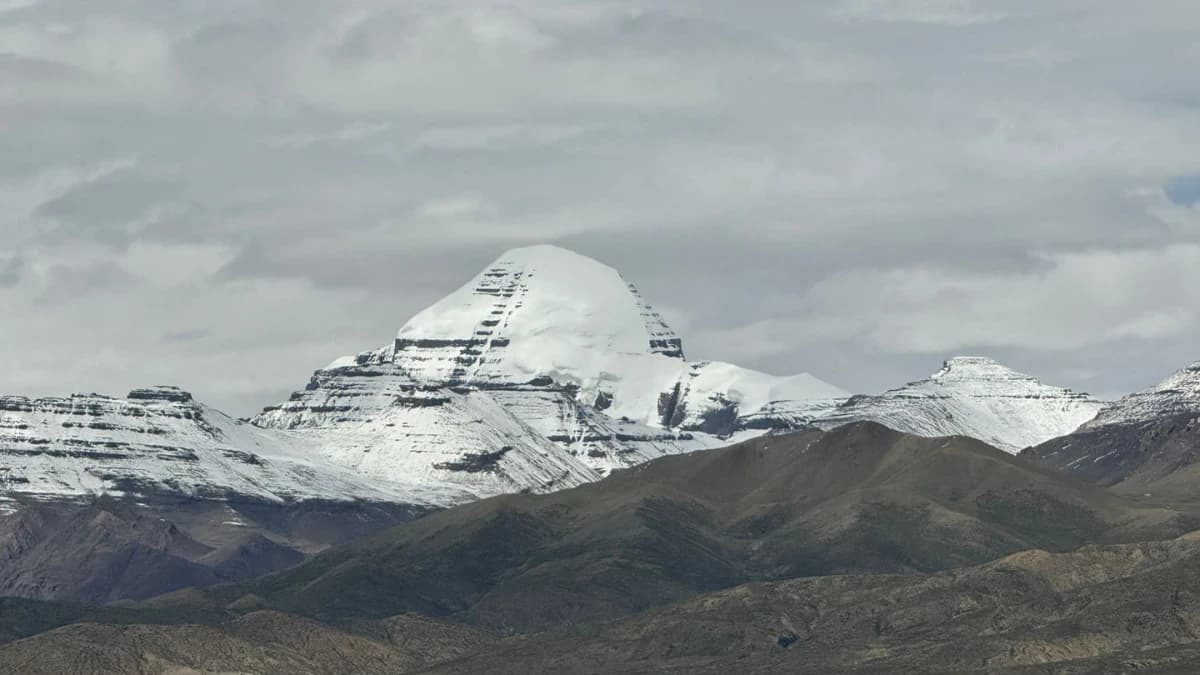
The bus crosses the Kerung border and the terrain changes in a single breath. Behind you, Nepal's green hills and terraced rice fields. Ahead, the Tibetan Plateau stretches to the horizon — a vast, rust-coloured expanse of windswept grassland under a sky so blue it looks painted. The air is thinner here, sharper, and carries a silence that most people have never experienced. Somewhere beyond those rolling hills, still two days' drive away, Mount Kailash waits. It has waited for millennia. Hindus call it the throne of Lord Shiva. Buddhists know it as Kang Rinpoche, the Precious Jewel of Snow. Jains revere it as Mount Ashtapada, where their first Tirthankara attained liberation. Followers of Tibet's ancient Bon tradition see it as the seat of all spiritual power. Four faiths, one mountain, and a pilgrimage that has drawn seekers for thousands of years.

This 15-day overland tour is the most popular route to Kailash Mansarovar — and for good reason. You'll drive from Kathmandu across the Nepal-Tibet border at Kerung, travel the Tibetan Plateau through Saga and Darchen, stand on the shores of Lake Mansarovar at 4,590 m (one of the highest freshwater lakes on earth), and complete the sacred 52 km Kora around Mount Kailash, crossing the Dolma La Pass at 5,636 m. We handle every permit, every border crossing, every hotel. You focus on the pilgrimage.

What Makes This Pilgrimage Unforgettable

  • Complete the sacred 3-day Kora (circumambulation) around Mount Kailash — 52 km on foot, crossing the Dolma La Pass at 5,636 m, the highest and most spiritually significant point of the entire pilgrimage.
  • Stand on the shores of Lake Mansarovar (4,590 m), one of the highest freshwater lakes in the world, sacred to Hindus and Buddhists alike. Perform rituals, take a holy dip, or simply sit in the silence.
  • Visit Chiu Monastery, perched above Lake Mansarovar, with views across the turquoise water to Mount Kailash beyond. One of the most photographed spots on the entire yatra.
  • All three Tibet permits arranged for you: China Group Visa from the Chinese Embassy in Kathmandu, Tibet Travel Permit, and Alien Travel Permit. We handle all the paperwork — you just hand us your passport.
  • Travel overland via Kerung, the most popular and most gradual acclimatisation route. The slow drive across the Tibetan Plateau gives your body time to adjust to the altitude naturally.
  • Witness the raw, otherworldly beauty of the Tibetan Plateau — endless grasslands, nomadic yak herders, ancient monasteries, and high-altitude terrains unlike anything you've seen before.
  • Experience a pilgrimage revered by four world religions — Hinduism, Buddhism, Jainism, and the Bon tradition — making Kailash one of the most universally sacred places on earth.
  • Horse and porter support available during the Kora for pilgrims who need assistance on the tougher sections. No one gets left behind.
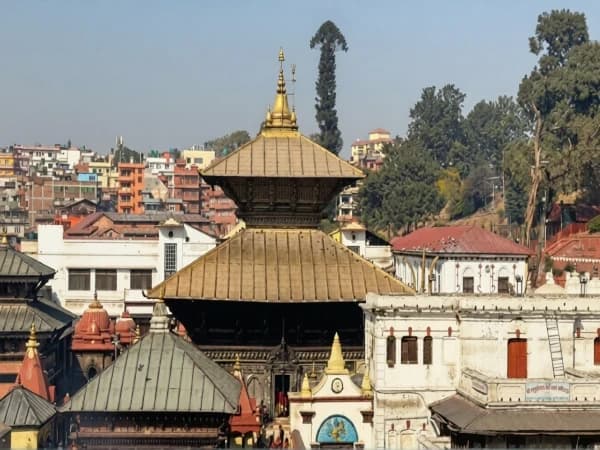
  • Pashupatinath Temple Aarti Darshan in Kathmandu before departure — begin your spiritual journey at Nepal's holiest Hindu shrine.
  • Farewell dinner in Kathmandu with a certificate of achievement upon your return. Share stories with fellow pilgrims over a final meal together.

15-Day Kailash Mansarovar Tour Overview

The overland route from Kathmandu to Mount Kailash via the Kerung border crossing is the most popular Kailash itinerary for good reason. It's the most gradual, giving your body the best chance to acclimatise properly as you cross the Tibetan Plateau. You'll spend your first days in Kathmandu with cultural sightseeing and permit preparation, then drive north through Nepal's hill country to Kerung, where you cross into Tibet. From there, it's two days driving across the plateau through Saga to Darchen, the base town for the Kailash Kora.

The Kora itself takes three days. Day one takes you from Darchen to Dirapuk, walking along the western face of Kailash with the mountain looming above you. Day two is the big one — crossing the Dolma La Pass at 5,636 m, the highest point of the pilgrimage and the moment many pilgrims describe as the most powerful of their lives. Day three brings you back to Darchen via the eastern valley, completing the circuit. After the Kora, you'll visit Lake Mansarovar for rituals and reflection before returning to Nepal via the same border.

If you're worried about the altitude, don't be. Our itinerary builds in proper acclimatisation time, our guides carry pulse oximeters and Diamox, and the gradual overland approach is specifically designed to reduce altitude sickness risk. Horse support is available during the Kora for anyone who needs it.

Before You Arrive

We recommend arriving in Kathmandu by 4:00 pm the day before departure. This gives you time for a final gear check, trip briefing with your guide, and to ensure everything is ready for the journey ahead.

Your Online Briefing

After you book, we'll send you an email with available times for a video call. This is your chance to ask every question — what to pack, what to expect at the border, how the Kora works, dietary needs, fitness concerns. We'll go through the itinerary day by day and discuss your hotel preferences in Kathmandu (your Kathmandu hotel is included, but let us know your preferred standard).

China Group Visa and Permits — We Handle Everything

Travelling to Tibet requires a China Group Visa, a Tibet Travel Permit, and an Alien Travel Permit. The paperwork can seem daunting, but here's the truth: we do all of it. You send us your passport details in advance, we coordinate with the Chinese Embassy in Kathmandu and our partner agency in Tibet, and your visa and permits are ready before you cross the border. All you need to do is arrive in Kathmandu one to two days early so we can process the final paperwork. It's that simple.

Compare Our Three Packages

  Budget Standard Luxury
Price from USD 2,499 USD 3,499 USD 3,899
Meals Bed and breakfast + full board during Kora Full board throughout Full board throughout
Kathmandu Hotel 3-star hotel (BB basis) 3-star hotel (BB basis) Luxury hotel (BB basis)
Tibet Hotels Best available guesthouse Best available hotel (twin-share) Best available hotel (private room)
Transport (Tibet) Air-conditioned minibus Air-conditioned minibus Private tourist coach
Kora Support Yaks for luggage Yaks for luggage Yaks for luggage
Permits Included All permits arranged All permits arranged Tibet visa fee included + all permits
Best for Pilgrims seeking the best value Comfortable pilgrimage experience Premium comfort on a sacred journey

Himalayas for Every Budget — same sacred route, same Kora, three comfort levels.

Your Pilgrimage, Our Family

When Hari Lal Simkhada helped international travellers experience the Himalayas in the 1960s, he could not have imagined his grandson would still be doing the same thing six decades later. His son, Ganesh Prasad Simkhada, went on to hold senior positions in Nepal's tourism and mountaineering institutions. Today, Shreejan Simkhada carries that legacy forward as CEO of The Everest Holiday, personally designing every itinerary and coordinating directly with our Tibet partners to ensure your pilgrimage runs flawlessly.

For the Kailash Mansarovar Tour, you'll have a Nepali team leader fluent in English and Hindi, plus a local Tibetan guide once you cross the border. Shreejan briefs every team personally before departure.

Need anything? WhatsApp Shreejan directly: +977 9810351300.

Why Travellers Trust Us

  • 320+ Reviews Across TripAdvisor, Google, and Trustpilot — 4.9 out of 5 stars, TripAdvisor Travellers Choice 2024
  • TAAN Certified — Member #1586, Government Reg: 147653/072/073
  • Secure 10% Deposit — pay just USD 250 to reserve your Budget tour, via Himalayan Bank
  • All Permits Handled — China Group Visa, Tibet Travel Permit, Alien Travel Permit, and Military Permit all arranged by us
  • Three Generations — family guiding in the Himalayas since the 1960s
  • Licensed Tibet Tour Operator — registered with the Nepal government and coordinating directly with official Tibet travel agencies

Solo Travellers Welcome

Many of our Kailash pilgrims travel alone — and they're never alone for long. You'll join a small group of like-minded travellers from across the world, united by the same spiritual purpose. Group size ranges from 1 to 20 pilgrims, and the shared experience of the Kora creates bonds that last well beyond the trip.

If you're a solo traveller, we'll match you to the next available group departure. Or book a private departure and we'll list your date so others can join you. Either way, you'll be part of something bigger than yourself.

Difficulty: Strenuous (5 out of 5)

The Kailash Kora is physically demanding. You'll walk 52 km over three days at altitudes above 4,500 m, with the Dolma La Pass reaching 5,636 m — that's higher than Everest Base Camp. The thin air, cold temperatures, and uneven terrain make this a serious high-altitude undertaking. That said, thousands of pilgrims of all ages complete it every season. The key is proper acclimatisation, which our itinerary is specifically built to give. Horse support is available during the Kora, and our guides monitor your health daily with pulse oximeters. You don't need to be an athlete, but you do need reasonable fitness and a determined mindset. We recommend walking 8-10 km daily for at least six weeks before departure. If you have concerns, talk to Shreejan — he'll give you an honest assessment of whether this trip is right for you.

Trek With a Purpose — Changing Lives, One Pilgrimage at a Time

In 2019, Shreejan Simkhada and Shamjhana Basukala founded the Nagarjun Learning Center to give back to the communities that shaped their family. Today, 70 children receive free education and hot meals daily at the flagship centre in Saldum Village, Dhading District. The centre has expanded to 7 locations across Nepal, provided free medical care to over 600 people, and brought internet access to 65 children for the first time in their village's history.

A portion of every booking with The Everest Holiday supports the Nagarjun Learning Center, which is verified and listed on the UN Partner Portal. When you walk the Kora, your pilgrimage helps change a life.

Itinerary

Day 01: Arrival in Kathmandu
Max Altitude: 1,400m / 4,593ft
Day 02: Trip Preparation, visa process, and Kathmandu Sightseeing
Max Altitude: 1,400m / 4,593ft
Day 03: Visa Processing, Bhaktapur sightseeing.
Max Altitude: 1,400m / 4,593ft
Day 04: Drive from Kathmandu to the border, then customs check-in and drive to Kerong
Day 05: Kerong – day free for acclimatisation
Day 06: Morning drive from Kerong to Saga.
Max Altitude: 4,450m / 14,600ft
Day 07: Morning drive start from Saga to Mansarovar (Chiu Gomba)
Max Altitude: 4,558m / 14,954ft
Day 08: Drive from Mansarovar to Darchen (4,600m / 15,092ft), Manasarovar lake parikrama
Max Altitude: 4,600m / 15,092ft
Day 09: Morning drive from Tarchen to Tarboche around 13 km / Trek to Dirapuk (4,860m / 15,945ft)
Max Altitude: 4,860m / 15,945ft
Day 10: Trek start from Dirapuk to Zuthulpuk (18 km trek / 9-10 hrs) (passing through Dolma-la pass 5660 m)
Max Altitude: 4,760m / 15,617ft
Day 11: Morning start from Zutulpuk to Darchen trek, then drive back to Saga
Max Altitude: 4,450m / 14,600ft
Day 12: Drive back to Nuwakot (Nepal) via Kerong– This day can be reached in Kathmandu if the long drive till 8/9 pm
Day 13: Drive back to Kathmandu
Day 14: Extra Spare Day
Day 15: Final Departure
Expand All
Couldn't find what you're after?Reach out to our travel experts.
Customise Trip

Availability

Book your own private small group trip
No. of travellers
Price per person
2 - 4 pax
US$2499
5 - 9 pax
US$2399
9 - 12 pax
US$2299
13 - 20 pax
US$2199

Discounts are determined exclusively by the size of your group. We do not add additional members to your group.

Book Now
hbl logo
Secure Payment by Himalayan Bank.
Cost Includes
  • Airport pickup on arrival in Kathmandu, transfer to hotel, and welcome drink

  • Aarti Darshan at Pashupatinath Temple

  • 3 nights' accommodation in a hotel in Kathmandu (twin-sharing, bed-and-breakfast basis)

  • 3 meals daily (breakfast, lunch, and dinner) — pure vegetarian food throughout

  • Overland transport from Kathmandu to Kerung border and return by tourist coach

  • Air-conditioned minibus on the Tibet side for groups of fewer than 15 persons

  • Nepali team leader fluent in English and Hindi

  • Basic first-aid kit and altitude-sickness medication (Diamox)

  • Medical and life insurance for all Nepali Kailash staff and the team leader

  • Twin-sharing accommodation at the best available hotel or guesthouse along the highway to Mount Kailash; three nights in tented camps during the Kora; bed-and-breakfast on driving days, full board during the three Kora days

  • Yaks and yak handlers/porters during the Kailash Kora to carry group luggage (not for riding)

  • All necessary permits and their arrangements

  • Environmental protection fee

Cost Excludes
  • Lunch and dinner in Kathmandu, personal expenses, and anything not listed above

  • Tibet visa fee: USD 125 (additional USD 90 surcharge for American and Canadian passport holders)

  • Rescue and emergency evacuation costs, medical and hospital expenses

  • Travel insurance, personal riding horse, personal porter, and international flights

  • Personal expenses such as laundry and international phone calls

  • Tips for guides, staff, and drivers

Essential Information

Tibet Visa and Permit Requirements for the Kailash Mansarovar Tour

Travelling to the Tibet Autonomous Region requires specific documentation that is strictly controlled by the Chinese government. The Everest Holiday handles the entire permit process on your behalf, but here's what you need to know.

China Group Visa

Individual tourist visas are not issued for Tibet. All foreign visitors must obtain a China Group Visa, which is processed through the Chinese Embassy in Kathmandu. A minimum of five travellers is required to form a visa group. Your passport must be submitted to our office at least 25 days before your departure date to allow sufficient processing time. American and Canadian passport holders pay an additional surcharge (currently USD 90 on top of the standard USD 125 visa fee).

Tibet Travel Permit and Alien Travel Permit

In addition to the group visa, you'll need a Tibet Travel Permit (issued by the Tibet Tourism Bureau) and an Alien Travel Permit (issued by the Public Security Bureau). For the Kailash region specifically, a Military Permit may also be required. We coordinate all of these through our licensed Tibetan partner agency — you don't need to apply for anything separately.

Arrive in Kathmandu One Week Early

Chinese regulations require that all travellers arrive in Kathmandu at least one week before the tour departure date. This buffer allows time for passport collection, visa processing, final briefings, and any last-minute administrative requirements. We strongly recommend booking your international flight to arrive several days before the mandatory arrival date, in case of flight delays or cancellations. During this waiting period, we arrange your hotel in Kathmandu on a bed-and-breakfast basis.

2026: Year of the Fire Horse — A Once-in-Twelve-Years Opportunity

In the Tibetan calendar, 2026 is the Year of the Fire Horse — an event that occurs only once every twelve years. Tibetan Buddhist tradition holds that completing a single Kora around Mount Kailash during a Horse Year carries the spiritual merit of twelve Koras in an ordinary year. This makes 2026 an exceptionally significant year for the Kailash pilgrimage, and demand for spaces is higher than usual. We recommend booking early to secure your preferred dates.

Saga Dawa Festival: 31 May 2026

The Saga Dawa Festival is the holiest Buddhist celebration of the year, commemorating the birth, enlightenment, and death of the Buddha. The climax takes place at Tarboche, near the start of the Kailash Kora, where a giant prayer flagpole is raised in an ancient ceremony attended by thousands of pilgrims. In 2026, Saga Dawa falls on 31 May. If you wish to witness this extraordinary event, select a departure date that places you at Darchen around this time. Contact Shreejan for exact scheduling.

Sacred to Four Religions

Mount Kailash holds deep significance for four of the world's great spiritual traditions. For Hindus, it is the throne of Lord Shiva and Goddess Parvati. For Buddhists, it is Kang Rinpoche — the Precious Jewel of Snow — representing the centre of the universe. For Jains, it is Mount Ashtapada, where the first Tirthankara attained liberation. For followers of the Bon tradition, it is the seat of all spiritual power. No mountain on earth is revered by more faiths.

Best Time to Visit

The Kailash pilgrimage season runs from May to September, when the Tibetan Plateau is accessible and weather conditions are most stable. May and June offer the clearest skies and the best chance to coincide with Saga Dawa. July and August are warmer but bring occasional monsoon moisture. September offers crisp autumn conditions with excellent visibility.

Fitness and Altitude

The Kailash Kora involves walking 52 km over three days at altitudes between 4,500 m and 5,636 m. While thousands of pilgrims of all ages complete it each season, good cardiovascular fitness is important. We recommend walking 8-10 km daily for at least six weeks before departure. Our guides carry pulse oximeters and Diamox, and horse support is available during the Kora. Read our detailed altitude sickness prevention guide and our acclimatisation guide for thorough preparation advice.

Food and Accommodation

In Kathmandu, you'll stay in a comfortable hotel on a bed-and-breakfast basis. In Tibet, accommodation is in the best available hotels and guesthouses along the route — twin-sharing rooms with basic facilities. During the three-day Kora, accommodation is in guesthouses or tented camps at Dirapuk and Zuthul Puk. Meals in Tibet are a mix of Tibetan, Chinese, and simple international cuisine. During the Kora, meals are provided by our support team. Vegetarian food is available throughout. If you have specific dietary requirements, please inform us when booking.

Currency and Money

The official currency in Tibet is the Chinese Yuan (CNY). US dollars and other foreign currencies are rarely accepted in Tibetan towns and villages. We recommend exchanging currency in Kathmandu before departure or at the Kerung border. ATMs are extremely scarce along the Kailash route, and credit cards are not widely accepted. Carry sufficient cash in small denominations for personal purchases, tips, and extras.

Safety and Support

Your safety is our highest priority. Our guides are government-licensed, trained in high-altitude first aid, and carry emergency oxygen and medical supplies. Pulse oximeters are used daily to monitor group health. Horse support is available during the Kora for anyone who needs assistance. In the unlikely event of a serious medical emergency, evacuation protocols are in place. We strongly recommend travel insurance that covers high-altitude helicopter evacuation up to 6,000 m.

Farewell Dinner and Certificate

On your return to Kathmandu, we'll host a farewell dinner where you can share stories and memories with your group. You'll receive a certificate of achievement recognising your completion of the Kailash Kora. We'll also ask for your feedback — your experience helps us improve every future pilgrimage.

Tipping

Tipping is customary in Nepali and Tibetan culture, though never obligatory. The amount should reflect the quality of service, the length of the tour, and your personal satisfaction. We recommend giving tips collectively to the crew at the end of the journey.

Airport Transfer

On your departure day, please share your hotel name, room number, and flight details so we can arrange your transfer to Tribhuvan International Airport. We'll ensure you arrive with plenty of time for check-in.

Facilities and Essentials

Water

Bottled water and drinking water will be provided during the tour. In Tibet, we recommend drinking only bottled or boiled water. Your guide will ensure safe drinking water is available at every stop. Staying well hydrated is especially important at the high altitudes around Kailash and Mansarovar (above 4,500m).

Communication

We will provide you with a Nepali SIM card in Kathmandu. Once you cross into Tibet, your Nepali SIM will not work — your Tibet-side guide will have a local Chinese SIM and satellite communication for emergencies. Mobile coverage in Tibet is available in towns but very limited in remote areas around Kailash. Wi-Fi is available at some hotels in Lhasa and larger towns but not during the Kailash trek.

Luggage

Your main luggage will be transported by vehicle throughout the tour. During the Kailash parikrama trek (3 days), you will need to carry only a small daypack with essentials — your main bag stays in the vehicle at Darchen. Porters or yaks can be arranged for the trek portion at additional cost. Extra baggage can be stored at your hotel in Kathmandu.

Travel Essentials

Travel Essentials

Bring copies of your passport, visa, insurance policy, and emergency contact details. Keep digital copies on your phone as well. Your guide will brief you on everything before departure.

Currency Exchange

The Nepali Rupee (NPR) is the local currency. ATMs are available in Kathmandu, Pokhara, and major towns. Credit cards are accepted at larger hotels and restaurants but not at smaller shops or on remote trails.

We recommend carrying cash in NPR for daily expenses. USD, GBP, EUR, and AUD can be exchanged at banks and money changers in Kathmandu.

Extra Expense

While the package covers most costs, you should budget for personal expenses such as hot showers (NPR 200-500), device charging (NPR 200-500), drinks, snacks, and souvenirs.

At higher altitudes, prices increase. We recommend carrying NPR 20,000-30,000 in cash for extras along the trail. Tips for your guide and porters are also at your discretion.

TEH Family

TEH Family

The Everest Holiday is more than a trekking company — it is a family. Founded in 2016 by Shreejan Simkhada and Shamjhana Basukala, the company carries forward three generations of Himalayan expertise.

Shreejan’s grandfather, Hari Lal Simkhada, arranged logistics and supported Himalayan expeditions in the 1960s and 1970s. His father, Ganesh Prasad Simkhada, has held senior positions in Nepal’s tourism and mountaineering institutions.

When you trek with us, you are joining this family tradition.

Trip Conclusion

Trip Conclusion

At the end of your trip, we host a farewell dinner at a local restaurant in Kathmandu. It is a relaxed evening to share stories and give us your feedback. On your departure day, we transfer you to Tribhuvan International Airport in good time for your flight.

FAQs

1. What is the Kailash Mansarovar Yatra?

The Kailash Mansarovar Yatra is a high-altitude pilgrimage in western Tibet that includes two holy activities: walking around Mount Kailash (6,638m) and taking a ritual plunge in Lake Mansarovar. This trip is different from most treks because you don't have to climb. Instead, you walk 52 km around the base of the mountain over three days, reaching 5,630 m at Dolma La pass. Hindus see Kailash as Shiva's home, Buddhists see it as Kang Rinpoche (cosmic Mount Meru), Jains see it as Ashtapada (where Rishabhadeva reached enlightenment), and Bonpos see it as the nine-story swastika mountain. No one has ever been allowed to try to reach the summit; this circumambulation is the sole method to reverence the holy peak.

2. Why hasn't anyone ever scaled Mount Kailash, which is only 6,638 meters high?

Mount Kailash has never been climbed because of a global religious taboo, not because it is difficult to climb. Its height is not very high by Himalayan standards. Hugh Ruttledge asked for approval in the 1920s, but it was denied. Reinhold Messner turned down the chance in the 1980s, saying publicly, "If we conquer this mountain, we conquer something in people's souls." In 2001, China made it illegal for anyone to try to climb. The mountain's unclimbed condition is a rare case of spiritual agreement around the world winning out over climbing ambition. Satellite images show that no one has ever been to the top.

3. What sets Lake Mansarovar apart from other Himalayan lakes?

Lake Mansarovar is the highest freshwater lake in the world at 4,590 meters (15,000 feet). It has unusual hydrological qualities. It never freezes, even when the temperature drops to -30°C in the winter, since it gets water from hot springs underneath. The water is safe to drink all year because it has low mineral content. The circumference is 88 kilometers, and the depth is 90 meters. From a scientific perspective, it is in a confined basin with no outflow river, but it stays fresh because subsurface canals flow into Rakshastal. Pilgrims think that swimming here washes away years of bad karma, while hydrobiologists say that the peculiar microbial environment here helps keep the area clean.

4. What is the real age limit for the Yatra?

There is no legal age limit; however, there are several practical limits. The oldest known pilgrim to finish the whole Parikrama was 86 years old (Japanese monk, 2019). The youngest was 7 years old (Nepali Sherpa family, 2022). But commercial operators set their boundaries; most of them only allow people between the ages of 12 and 70. The Indian government's planned yatra has a maximum age of 70, a rigorous BMI of less than 25, and a heart check. Age doesn't matter as much as fitness for private adventures. If a 35-year-old does not exercise, their risk of injury is higher than that of a 68-year-old who does. Medical science says that cardiovascular health, not age, is what defines how well you can handle high altitudes.

5. How many pilgrims fail to finish the Parikrama, and why?

The non-completion percentage is 11.3%, based on 15 years of operator data from over 8,000 pilgrims. 62% of the time, it was because of Acute Mountain Sickness (AMS), 18% because of physical tiredness, 12% because of the weather (sudden snowstorms closing Dolma La), and 8% because of an injury (knee/ankle). Most importantly, 94% of failures happen on Day 2, when you reach Dolma La. Untrained pilgrims have a 73% chance of success, whereas trained pilgrims have a 96% chance of success. This means that preparedness directly affects the outcome of the Kailash journey.

6. What kinds of physical problems do you have that automatically exclude you?

Five disorders are unequivocal contraindications: uncontrolled hypertension (BP >140/90 despite medication), unstable angina or recent myocardial infarction (<6 months), severe COPD or interstitial lung disease, sickle cell anemia, and pregnancy beyond the first trimester. Type 1 diabetes, epilepsy, asthma that needs oral steroids, a BMI over 30, and any ailment that needs extra oxygen at sea level are all examples of relative contraindications that need to be cleared by a specialist. Tour operators need a signed medical disclosure; if you don't have one, your evacuation insurance is invalid.

7. Why can't I get a Chinese visa for Kailash from where I live?

Kailash permits are not covered by ordinary tourist visas, according to China's diplomatic protocol. They fall under the category of "special administrative zones." The only two places in the world that can grant the Group Tourist Visa for Tibet's Ngari Prefecture are the embassies in New Delhi and Kathmandu. This is because China's "Open Tibet" policy for group travel only includes the Kailash region. This policy is carried out through agreements with Nepal and India. If you apply through your local Chinese embassy, your application will be automatically denied with no explanation. This isn't random; it's written down in Article 18 of China's Entry-Exit Administration Law.

8. Why is the Indian government route only open to people with Indian passports?

The Lipulekh Pass route is open because of a 2015 deal between India and China that lets Indian citizens reach Tibet through Uttarakhand. This path is exclusive for Indian citizens; anyone with a foreign passport (including NRIs and OCIs) can't use it. The Chinese immigration system at Lipulekh only accepts Indian passports; it can't process passports from other countries. If you try to get in with an OCI card or a dual passport, you will be turned away and may be blacklisted. This is not unfair treatment; it's how treaties say borders should be managed.

9. What happens if your permission is turned down? 

Every year, 3–5% of permits are denied. This scenario is mostly because the name on the passport and visa application doesn't match, there aren't enough blank visa pages (they need two consecutive pages), or the person has already traveled to disputed areas (they have visa stamps from Taiwan, Kashmir under Pakistani administration, or unrecognized entities). If the request is turned down, tour companies will give back all costs that can be recovered, which is usually 70–80% of the package price minus the cost of internal flights and permits that can't be returned. There is no way to appeal. You need to fill out a new application with the right paperwork to rebook. There is no other "walk-in" option; if you are turned down, the yatra cannot go on.

10. What goes on during full moons?

Satellite images and Chinese tourism data back up the claim that the number of pilgrims at Darchen goes up by 300–400% during full moon periods, notably in July and August. Prices for places to stay go up by 150%, horses are gone by 9 a.m., and teahouse kitchens run out of basic food by 8 p.m. Dolma La has a lot of people waiting in line, with pilgrims waiting 45 to 90 minutes at the pass summit. The time it takes for an evacuation helicopter to respond can range from 2 to 8 hours or more. Ngari Prefecture tourism reports show that this is true. Stay away from full moons unless you're ready for a lot of people.

11. How many pilgrims really get enough training?

63% of pilgrims say they did "some preparation," which means they walked 1–3 months before leaving. Only 22% of people follow an organized training plan that includes cardio, increased distance, and stair climbing. 15% don't get ready. Completion rates: 96% for trained, 84% for some preparation, and 61% for no preparation. There is a 12 percentage point difference between "some" and "structured" training. This means that 1 in 8 pilgrims fail for no reason. Climbing stairs for 30 minutes every day for a month adds 15 years of functional fitness at high altitudes.

What is the Kailash Mansarovar Tour?
A 15-day spiritual and adventure journey from Kathmandu to Mount Kailash (6,638m) and Lake Mansarovar in western Tibet. The tour includes a 3-day kora (circumambulation) around Mount Kailash, considered the most sacred mountain by Hindus, Buddhists, Jains, and followers of Bon. You travel overland via the Kerung/Gyirong border crossing.

Is this a trek or a tour?
It is both. Most of the journey is by vehicle through Tibet, but the 3-day Kailash kora is a trek covering approximately 52 km on foot at altitudes above 4,600m. The highest point is Dolma La Pass at 5,636m.

What makes this tour special?
Mount Kailash is believed to be the abode of Lord Shiva. Completing the kora is a once-in-a-lifetime spiritual experience. You also visit Lake Mansarovar, one of the highest freshwater lakes in the world, and drive through the vast Tibetan plateau with views of the Himalayan chain from the north side.

How fit do I need to be?
You need to be moderately fit. The Kailash kora involves 3 days of trekking at high altitude (4,600-5,636m). You should be able to walk 6-8 hours per day on rough terrain. The Dolma La Pass day is the most demanding — a steep climb to 5,636m followed by a long descent.

How should I prepare?
Start cardiovascular training 2-3 months before departure. Walking, jogging, stair climbing, and swimming are all helpful. Spend time at altitude if possible. Consult your doctor about Diamox for altitude sickness prevention.

What permits do I need?
You need a Tibet Travel Permit, Alien Travel Permit, and Military Permit for the Kailash region. All permits are arranged by our Tibet-side partner through the Chinese authorities. The process takes 2-3 weeks, so early booking is essential. You also need a Nepal re-entry visa if returning via Kerung.

Do I need a China visa?
No. The Tibet Travel Permit replaces the need for a China visa when entering Tibet via the Kerung/Gyirong land border from Nepal. Your permit covers your entire stay in Tibet.

Is travel insurance mandatory?
Yes. Your policy must cover emergency helicopter evacuation and medical treatment at high altitude (above 5,500m). The Kailash region is extremely remote — evacuation can take 1-2 days by vehicle. Comprehensive insurance is essential.

What visa do I need for Nepal?
Most nationalities can get a visa on arrival at Kathmandu airport. USD 50 for 30 days. If returning from Tibet, you will need a Nepal re-entry visa — we arrange this in Kathmandu before departure.

Will I have a guide?
Yes. You will have two guides — a Nepali guide from The Everest Holiday for the Nepal portion and a licensed Tibetan guide for the Tibet portion. Chinese regulations require all foreign visitors in Tibet to travel with a registered guide. Both guides speak English.

Is there vehicle support?
Yes. A comfortable tourist vehicle with an experienced driver is provided throughout the Tibet portion. Your luggage travels in the vehicle. During the Kailash kora, porters or yaks can be arranged at additional cost.

Where do I stay?
In Kathmandu: comfortable hotels. In Tibetan cities (Kerung, Saga): 3-star hotels with private rooms. Near Kailash and Mansarovar: basic but clean guesthouses. During the kora: simple monastery guesthouses at Dirapuk and Zutulpuk. Facilities are basic at altitude — hot water and electricity are not always available.

What about bathrooms?
Hotels in cities have Western-style bathrooms. Guesthouses near Kailash have basic shared toilets. During the kora, facilities are very simple. Bring your own toilet paper and hand sanitiser.

When is the best time for the Kailash tour?
May to September. The peak season is May-June and August-September. July can have monsoon rain on the Nepal side but is often clear in Tibet. The Dolma La Pass may be blocked by snow before May or after October. Winter tours are not possible.

What temperatures should I expect?
Daytime: 10-20°C in valleys, 0-10°C at high altitude. Night: -5 to -15°C near Kailash. Wind chill can make it feel much colder. Layer up and bring a good down jacket.

What food is available?
In Tibetan cities: Chinese and Tibetan cuisine — noodles, dumplings, rice dishes, yak meat, and vegetables. Near Kailash: basic meals at guesthouses — noodles, bread, soup, and instant food. Vegetarian options are available. We recommend bringing energy bars and trail snacks from Kathmandu as options are limited at high altitude.

Is water safe to drink?
Drink only bottled or boiled water. Bottled water is available at all stops. Stay well hydrated — dehydration worsens altitude sickness.

What should I pack?
Warm layers (temperatures drop below -10°C at night), waterproof jacket, sturdy trekking boots, warm sleeping bag (-20°C rated), sunglasses with UV protection, high-SPF sunscreen, headlamp, reusable water bottle, and personal medications. A detailed packing list is provided after booking.

Can I buy supplies in Tibet?
Basic supplies are available in Saga and Darchen but selection is limited and prices are high. Buy everything you need in Kathmandu before departure.

How do I book?
Pay a 10% deposit through Himalayan Bank Limited's secure portal on our website. Balance due 60 days before departure. We also accept bank transfer via Wise. Early booking is essential — Tibet permits take 2-3 weeks to process.

What is the cancellation policy?
60+ days: full deposit refund minus USD 50 fee. 30-60 days: 50% refund. Under 30 days: no refund, as Tibet permits are non-refundable once issued.

Are group departures available?
Yes. We have fixed group departure dates in May, June, August, and September. Solo travellers can join group departures to share costs.

How do I get to Kailash?
You drive from Kathmandu to the Kerung/Gyirong border crossing (6-7 hours), then travel by vehicle through Tibet via Saga and Mansarovar to Darchen, the base for the Kailash kora. The total driving distance in Tibet is approximately 1,200 km over several days.

Do I need to fly to Lhasa?
Not for our standard tour. You travel overland via Kerung. However, we also offer a Kailash tour via Lhasa for those who want to include Potala Palace and Tibetan sightseeing.