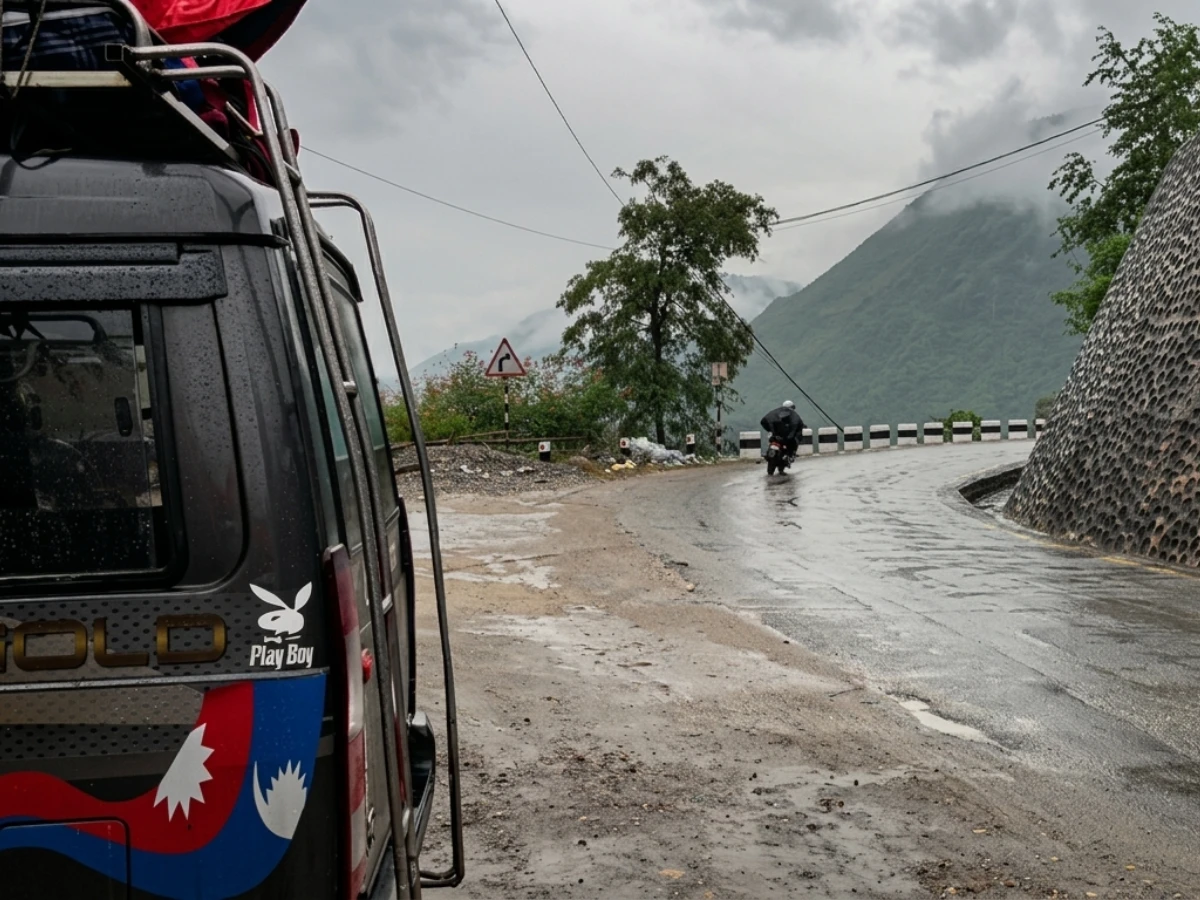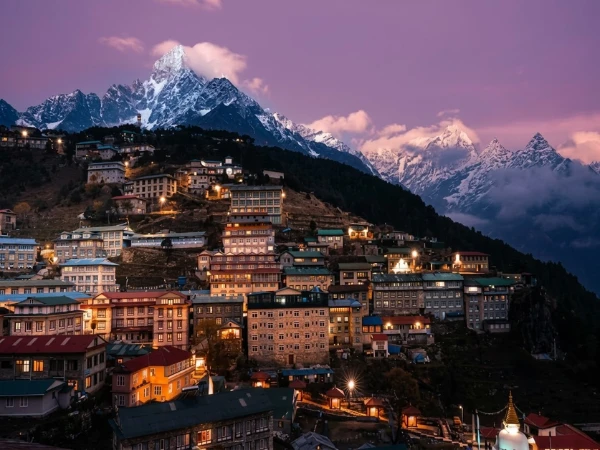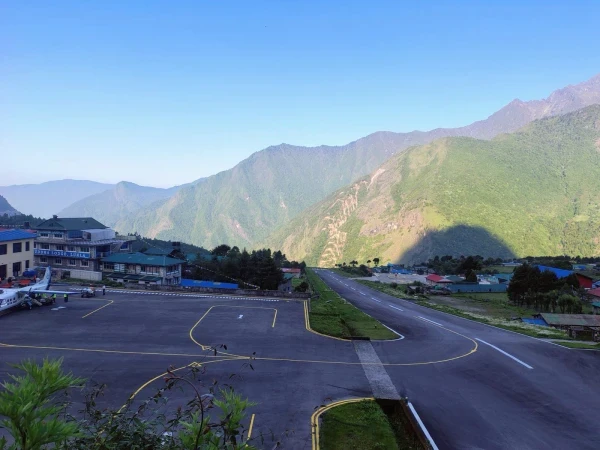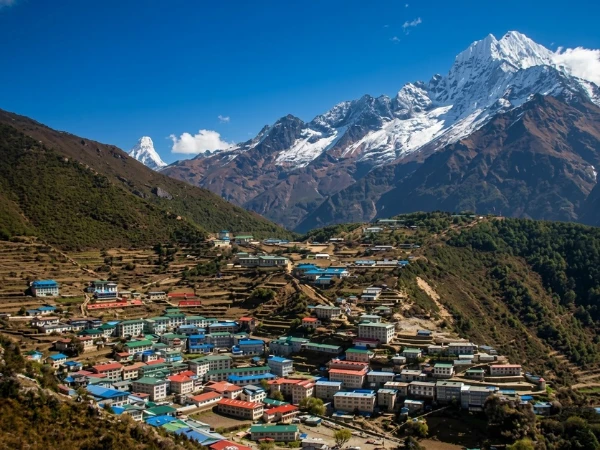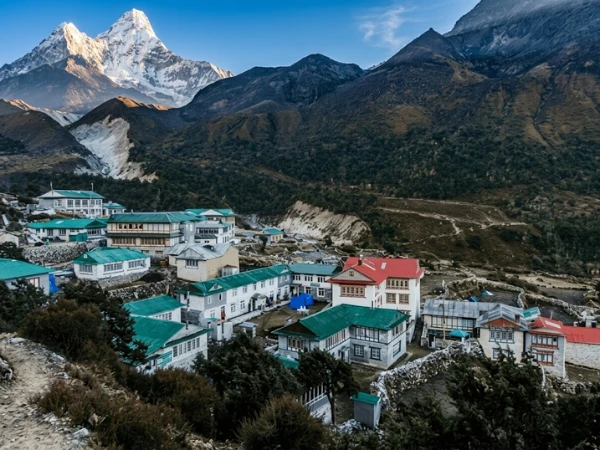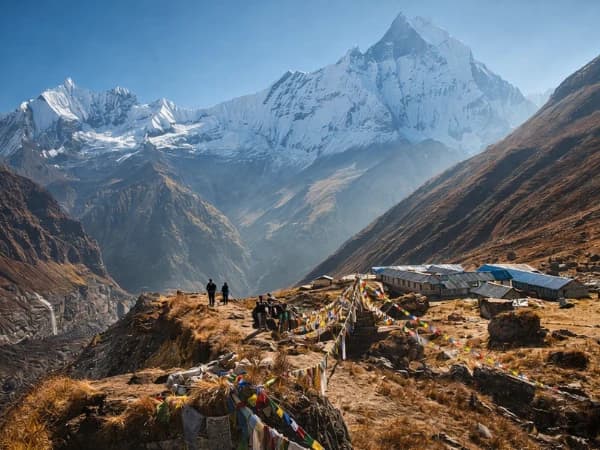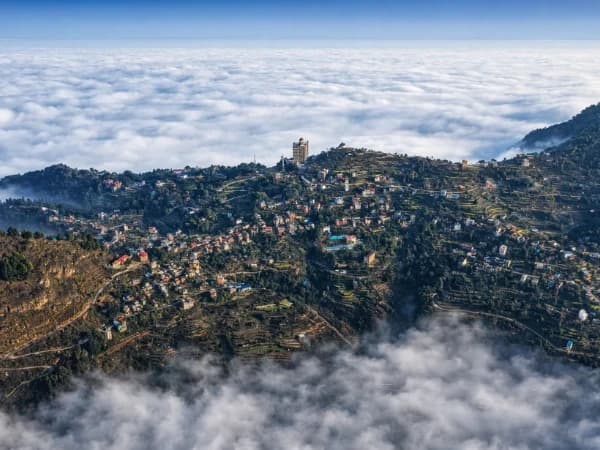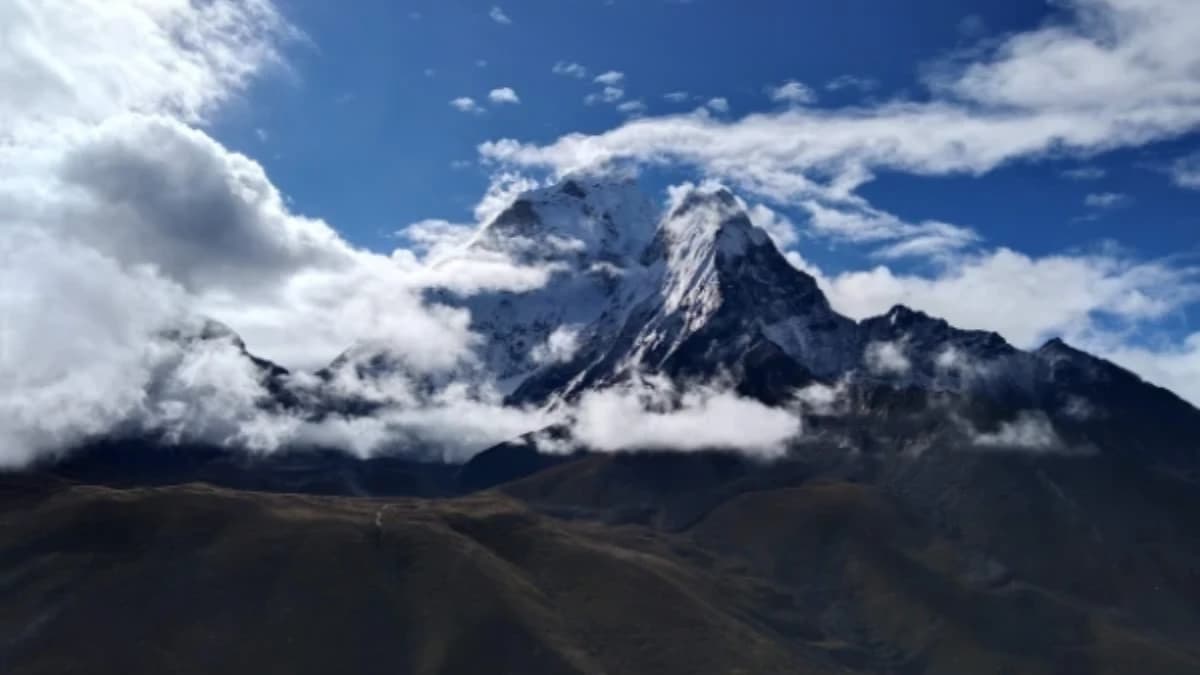
The road from Kathmandu to Jiri climbs through the Mahabharat Range in a series of switchbacks that feel like the country itself is winding up for what lies ahead. Green terraces drop into valleys where mist gathers in the morning and burns off by noon. You are heading east, towards the mountains, following the same route that Sir Edmund Hillary and Tenzing Norgay took in 1953 when they became the first humans to stand on the summit of Everest. There was no airstrip at Lukla then. There was only this road, this trail, and the slow, honest approach through the heart of Sherpa country that gave climbers time to understand what they were walking into before the mountain revealed itself.
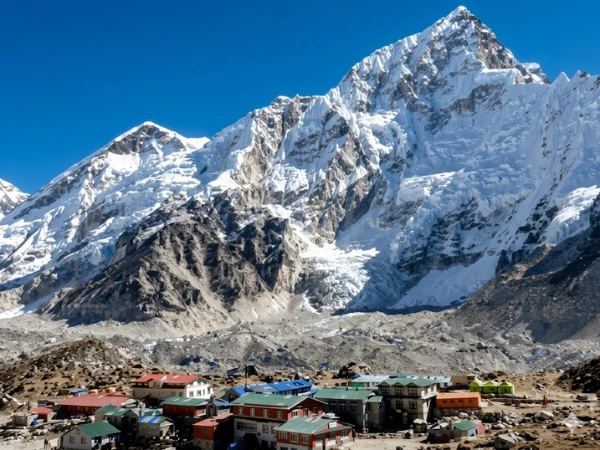
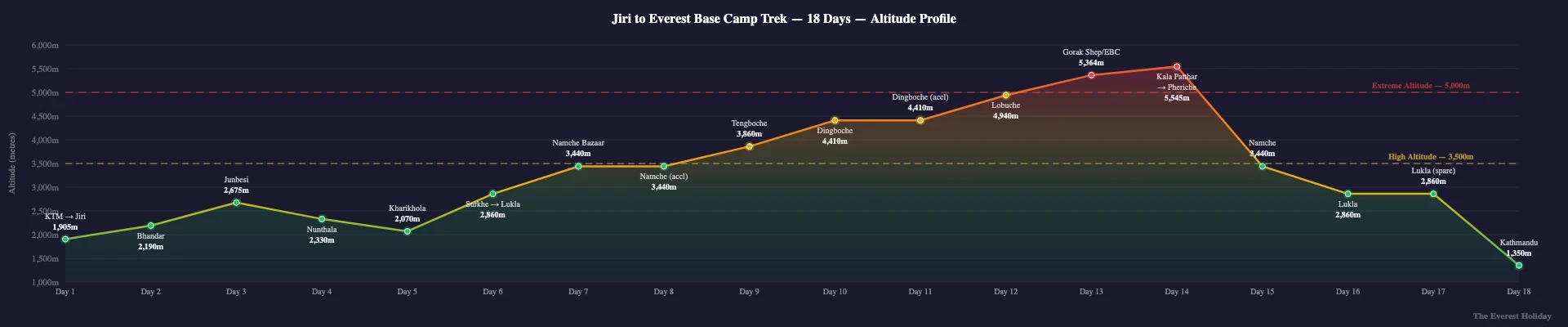
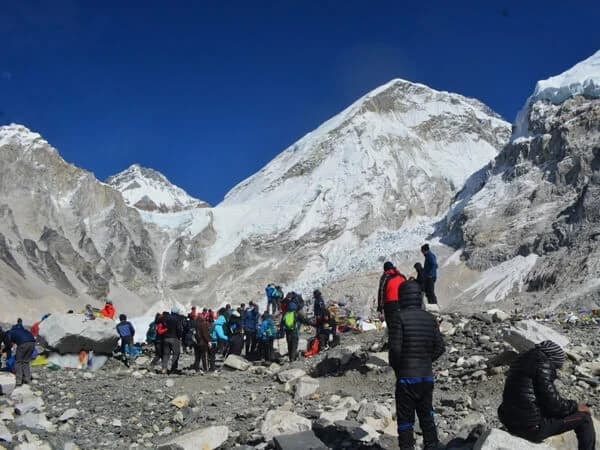
Eighteen days. The original route. From the terraced lowlands of Jiri through the rolling ridges of the Solu-Khumbu, Bhandar, Junbesi, Nunthala, Puiyan, where prayer flags mark every pass and monastery bells carry across empty valleys. Then the trail joins the classic Everest corridor at Phakding and climbs north through Namche Bazaar, Tengboche, Dingboche, and Lobuche to Everest Base Camp (5,364m / 17,598ft) and the sunrise at Kala Patthar (5,545m / 18,192ft). You will eat dal bhat with families who have lived in these mountains for centuries, sleep in teahouses that smell of woodsmoke and juniper, and arrive at the foot of the highest mountain on earth having earned every single metre of the approach.
What Makes This Trek Unforgettable
- Walk the original Hillary–Tenzing route, the historic 1953 approach through the Solu-Khumbu lowlands that every Everest expedition followed before Lukla airstrip was built
- At USD 935 for the Budget tier, this is the most affordable Everest Base Camp trek available from any reputable operator
- Trek through six days of unspoilt Solu-Khumbu countryside that most trekkers fly over entirely, rice terraces, rhododendron forests, ancient monasteries, and villages where children wave from schoolyard fences
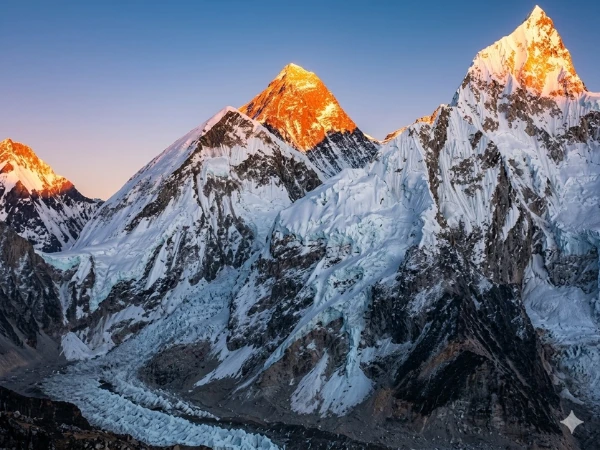
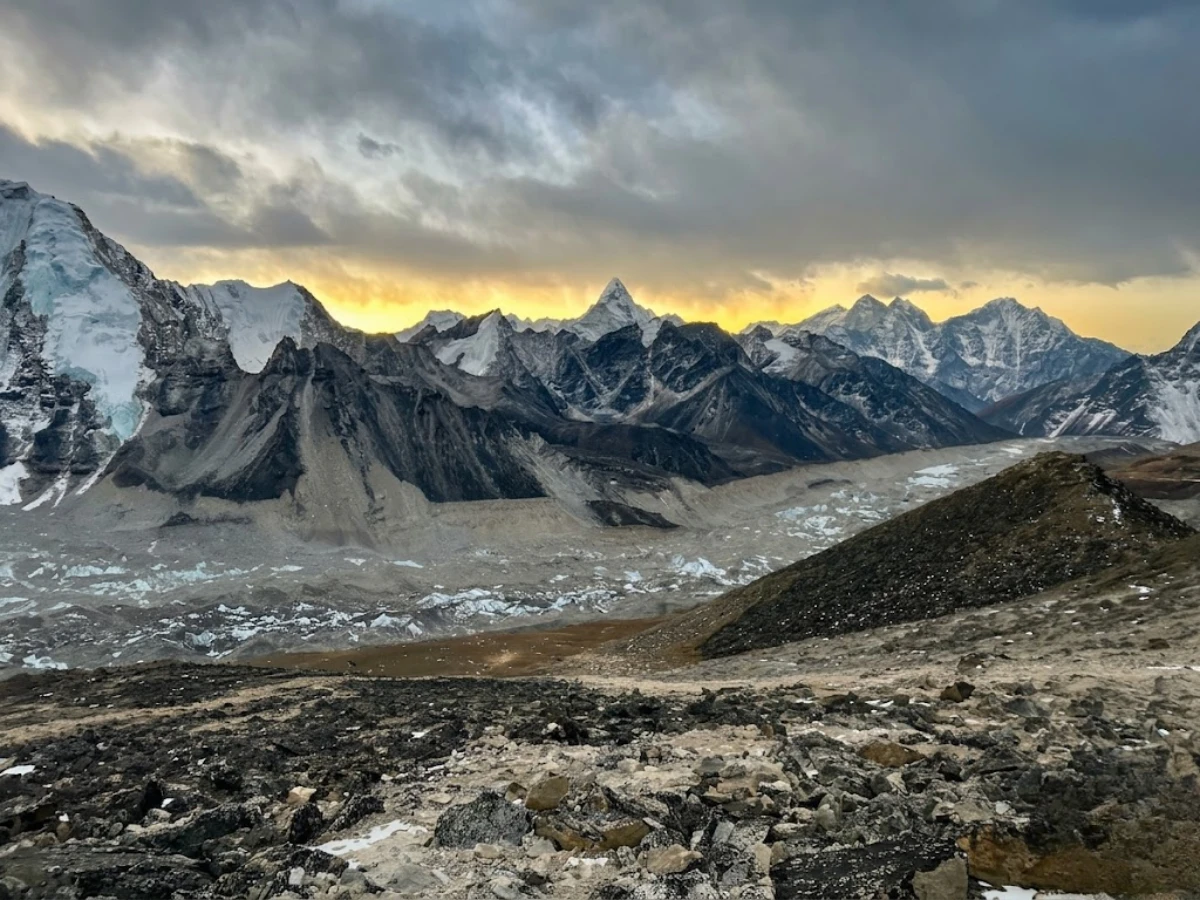
- Stand at Kala Patthar (5,545m / 18,192ft) at sunrise, the most famous viewpoint of Everest, where four of the world’s highest peaks surround you
- Arrive at Everest Base Camp (5,364m / 17,598ft) with the best natural acclimatisation of any Everest trek, six days of rolling hills condition your body before you enter the high Khumbu
- Cross Lamjura La and Khari La, the same passes that Hillary’s porters crossed, with views that unfold like a slowly opening map
- Visit Junbesi monastery, one of the oldest and most peaceful in the Solu district, where monks chant at dawn in a valley that time seems to have forgotten
- Walk through Sagarmatha National Park, a UNESCO World Heritage Site home to snow leopards, Himalayan tahr, and over 100 species of birds
- Acclimatise in Namche Bazaar (3,440m / 11,286ft), the vibrant Sherpa capital with markets, bakeries, and views of Everest from every rooftop
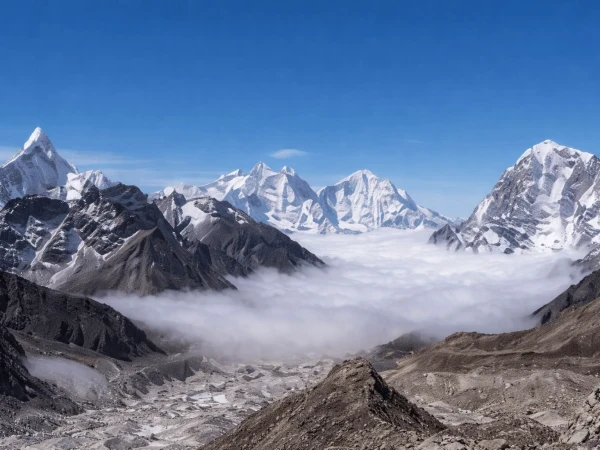
- See the Khumbu Glacier up close, 12 kilometres of slow-moving ice where the only sound is rock shifting beneath frozen debris
- Experience cultural immersion that no other Everest trek can match, the Jiri approach passes through communities that rarely see foreign trekkers, where hospitality is instinctive and unhurried
18-Day Historical Jiri to Everest Base Camp Trek Overview
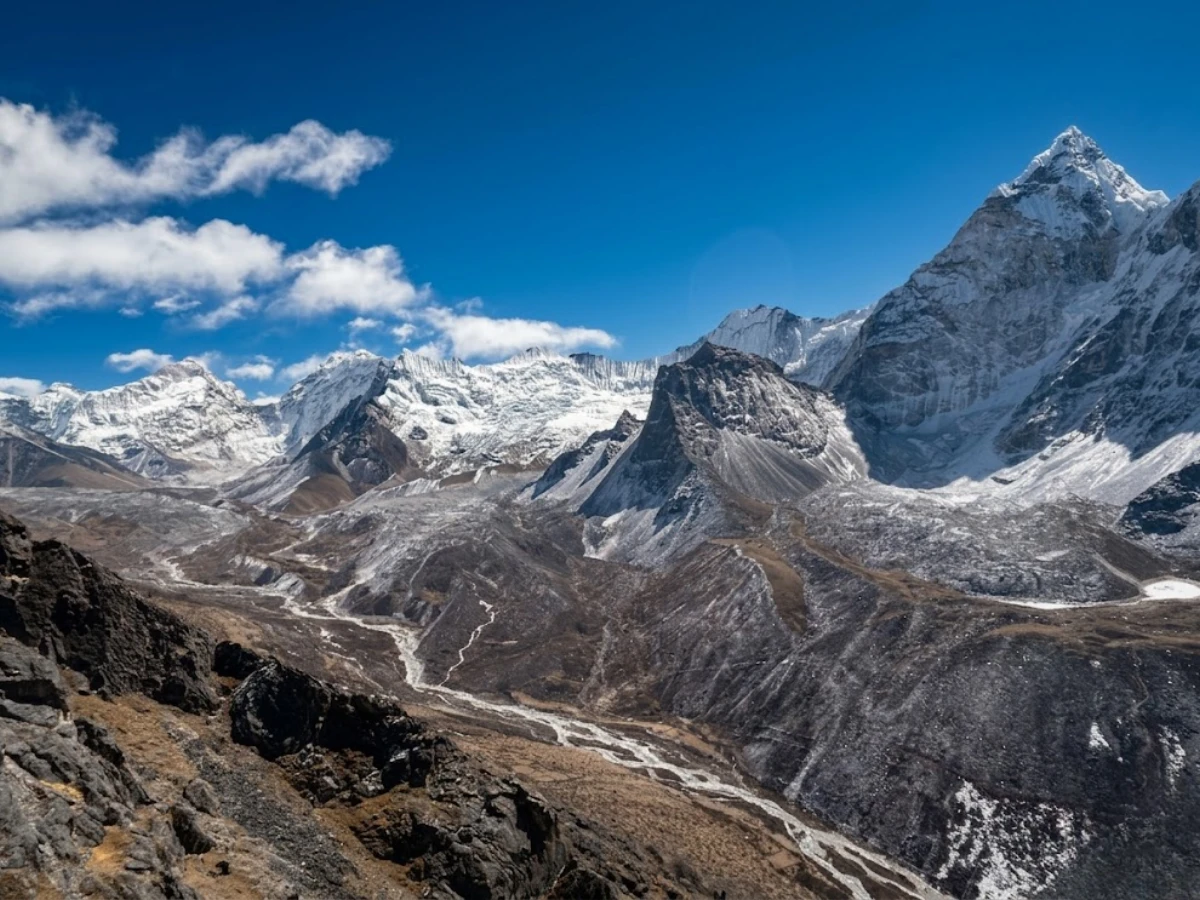
Eighteen days sounds like a long time, and it is, deliberately so. The first six days walk you through the Solu-Khumbu lowlands from Jiri, where the road ends, through a succession of ridges and valleys that run perpendicular to your line of travel. This means climbing to a pass, descending into a valley, and climbing again, a rollercoaster of altitude that takes you from Bhandar through Junbesi, over Lamjura La, down to Nunthala, up again to Puiyan, and finally into the Dudh Koshi valley. The terrain shifts from rice paddies to oak forest to rhododendron to high scrub, and the mountains on the northern horizon grow larger with every pass you cross.
This is the section that no other Everest trek gives you. The teahouses are simpler here, the trails quieter, and the hospitality more personal. You will walk through villages where dal bhat is cooked over wood fires and where children practise English with trekkers who pass through once a week rather than once an hour. By the time you reach Phakding on Day 7 and join the classic Everest trail, your legs are conditioned, your lungs are adapted to moderate altitude, and you have a connection to the landscape that trekkers who flew to Lukla two days earlier simply cannot have.
From Phakding, the route north is the one walked by thousands each season: the steep climb to Namche Bazaar, the acclimatisation day with its hike to the Everest View Hotel (3,880m / 12,730ft), the trail through Tengboche to Dingboche, the push past the Thukla memorial cairns to Lobuche and Gorak Shep, and finally the walk across the Khumbu Glacier to Everest Base Camp. The difference is that you arrive here with six days of hill walking already in your legs, and the mountain feels like a destination you earned rather than one you were delivered to.
After Base Camp and the pre-dawn climb to Kala Patthar, the moment where the sun hits Everest and the entire Khumbu ignites with gold, the descent follows the standard route back through Namche to Lukla. Budget and Standard trekkers fly from Lukla back to Kathmandu or Manthali. Luxury trekkers return by helicopter directly to Kathmandu, no Manthali transfer, no flight delays, no waiting.
Before You Arrive
Please arrive in Kathmandu by 4 PM the day before your trek. This gives you time for a final gear check, a briefing with your guide, and a good night’s rest before the early morning drive to Jiri.
Your Online Briefing
Think of this as our first coffee together, but online. After you book, we schedule a video call where we walk you through every detail: what to pack, what each day on the trail looks like, how the altitude will feel, what the Jiri section is really like, and anything else on your mind. No question is too small.
This is also when we learn about you. Our trek itinerary does not include your hotel in Kathmandu, during the briefing, share your preferences and budget, and we will arrange accommodation that fits. Whether you want a simple guesthouse in Thamel or a five-star hotel, we will set it up for you.
Transport — Jiri Drive and Lukla Return
The outbound journey is by road to Jiri, a full day’s drive through the Mahabharat Range and the green hills of the Solu district. Budget trekkers travel by local bus or jeep. Standard trekkers ride in a private vehicle. Luxury trekkers travel in a luxury private vehicle.
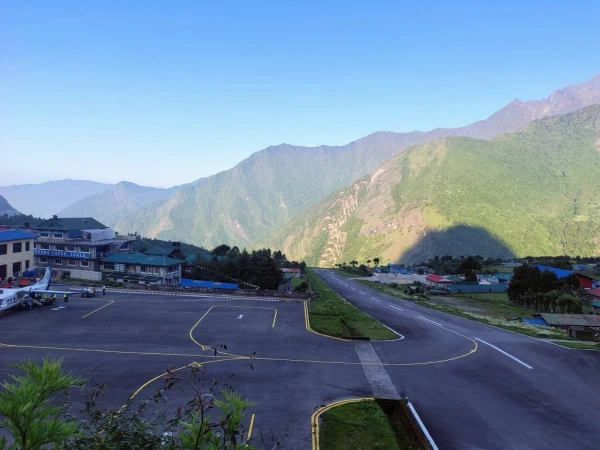
The return journey is by air from Lukla. Budget trekkers fly from Lukla to Manthali, then travel by local bus or jeep back to Kathmandu. Standard trekkers fly from Lukla to Kathmandu or Manthali with private vehicle transfer. Luxury trekkers fly by helicopter directly from Lukla to Kathmandu, no Manthali, no delays.
During peak season (March–May and October–November), flights from Lukla may operate to Manthali Airport instead of Kathmandu. If your return flight lands at Manthali, ground transport back to Kathmandu is included in every package.
We strongly recommend keeping two buffer days at the end of your trip before your international flight home, in case weather delays your Lukla return flight.
Your Trek, Your Way
Every trek we run is private, your group only, no strangers added. Whether you choose Budget, Standard, or Luxury, the mountains are yours and your companions’ alone. This is not a conveyor belt. This is your personal Himalayan experience.
Your hotel in Kathmandu is not included in the trek package, and that is intentional. Kathmandu has everything from USD 10 guesthouses in Thamel to five-star hotels with rooftop views of the city. During the online briefing, tell us what you prefer and we will arrange it for you. Your trek package begins the moment you leave Kathmandu for Jiri.
Difficulty: Challenging (4.5 out of 5)
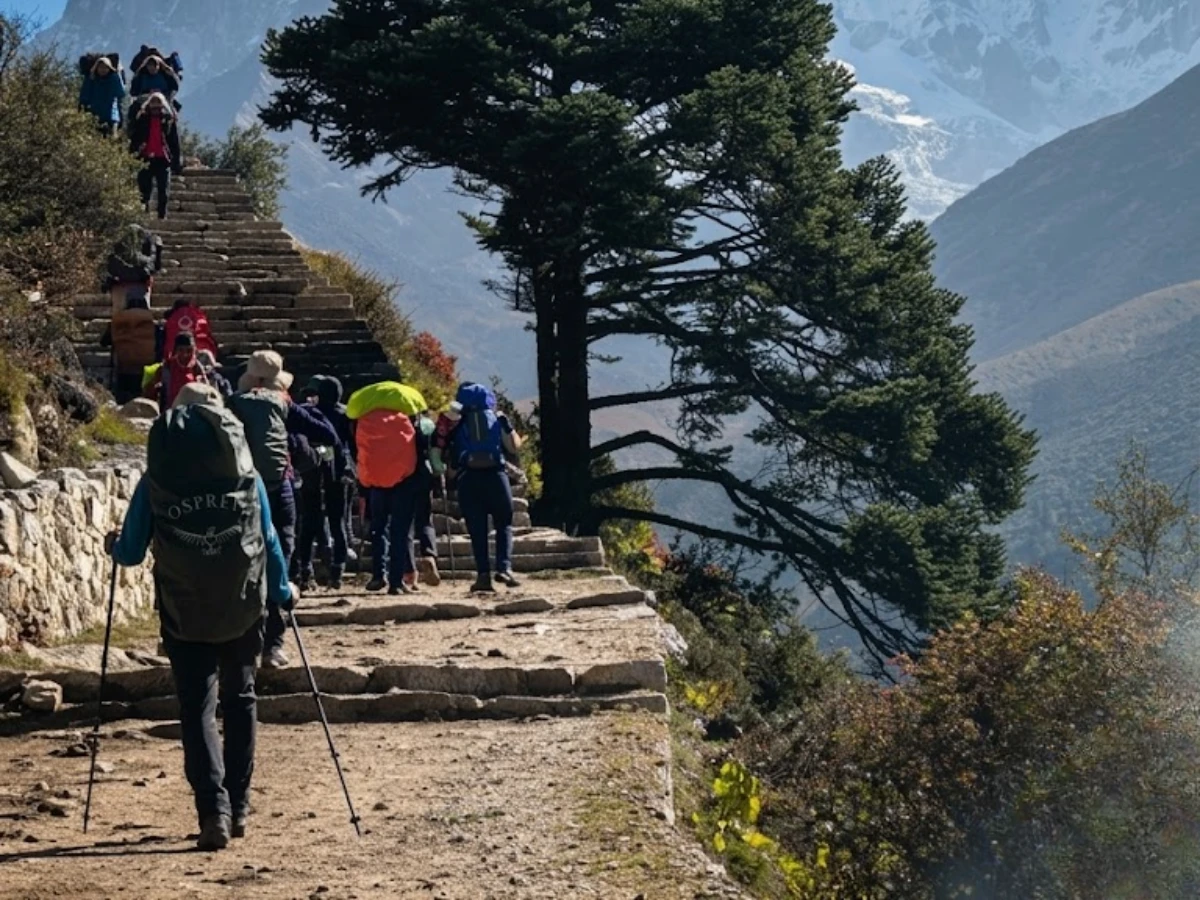
This is a long trek, 18 days on the trail, but it is not technically difficult. The challenge is duration and cumulative fatigue rather than any single dangerous section. You will walk 5-8 hours a day over mountain trails, crossing multiple passes in the Solu section and gaining altitude steadily through the Khumbu. The paths are well-established but uneven, stone steps, river crossings, and steep ascents are part of every day. No previous trekking experience is required, but you should be in good physical condition and comfortable with sustained walking over many consecutive days. The six-day Jiri approach provides excellent natural acclimatisation, and our guides monitor your condition throughout with first aid kits and pulse oximeters.
Compare Our Three Packages
| Budget | Standard | Luxury | |
|---|---|---|---|
| Price from | USD 935 | USD 1,398 | USD 2,800 |
| Meals | Choose your own (approx. USD 15-25/day) | 3 meals + tea + fruits + 2L water daily | All meals + all drinks anytime (except alcohol) |
| Room | Shared teahouse | Private twin w/ bathroom | Private deluxe w/ bed heater |
| Porter | Not included | 1 per 2 trekkers | 1 per trekker (carry nothing) |
| Guide | 1 guide, assistant at 8+ | 1 guide per 6, assistant at 6+ | 1 guide per 2 trekkers |
| Transport | Local bus to Jiri + flight Lukla–Manthali, local bus back | Private vehicle to Jiri + flight from Lukla | Luxury vehicle to Jiri + helicopter Lukla–KTM |
| SIM data | SIM only | Limited data | Unlimited data |
| Best for | Backpackers and history lovers on a budget | Comfort trekkers wanting the full experience | Premium travellers, time-sensitive return |
Himalayas for Every Budget, same expert guides, same safety, three comfort levels.
Your Trek, Our Family
In the 1960s, Shreejan’s grandfather Hari Lal Simkhada helped international travellers experience the Himalayas for the first time, arranging logistics, finding routes, building trust with people who had come halfway around the world on a dream. His son Ganesh went on to hold senior positions in Nepal’s tourism and mountaineering institutions. And now Shreejan, the third generation, designs every itinerary you see on this website.
This is not a company that was started in a boardroom. It was started on a mountain trail, three generations ago.
Shreejan hand-picks the guide for your group from our team of TAAN-certified mountaineering professionals, people who grew up in these mountains and know every trail, every teahouse owner, and every weather sign. He briefs your guide personally before your trek begins, because your safety and experience are not something we delegate to a system.
Have a question right now? WhatsApp Shreejan directly: +977 9810351300. No sales team. No chatbot. The person who designed your trek answers personally.
Our Credentials
- 196 TripAdvisor Reviews, 4.9 out of 5 stars, TripAdvisor Travellers Choice 2024
- 108+ Google Reviews, 4.9 out of 5 stars
- TAAN Certified, Member #1586, Government Reg: 147653/072/073
- Secure 10% Deposit, pay just $94 to reserve, via Himalayan Bank
- Himalayas for Every Budget, from USD 935, the cheapest EBC trek from any reputable operator
- Three Generations, family guiding in the Himalayas since the 1960s
Solo Trekkers Welcome
You do not need a travel partner to trek in Nepal. Most of the people who book with us come alone, and by day three on the trail, they are sharing meals, swapping stories, and watching sunrises together like old friends.
Our groups are small, 2 to 20 people, because the Himalayas deserve more than a crowd. You book your trek, and it is yours. We will never add strangers to your group without your permission.
If you want to trek completely privately, you can. If you prefer company, tell us and we will list your dates as a fixed departure on our website so other solo travellers can find you and join. Either way, the trek is built around you.
Difficulty: Challenging (4.5 out of 5)
You need to be comfortable walking 5-8 hours per day over uneven terrain for 18 consecutive days. The Jiri section involves multiple pass crossings with significant ascent and descent each day. The Khumbu section reaches 5,545m (18,192ft) at Kala Patthar. No technical climbing is involved, but cumulative fatigue over 18 days demands good baseline fitness. The six-day approach from Jiri provides excellent natural acclimatisation, and we build additional rest days at Namche Bazaar and Dingboche into the itinerary. Our guides carry altitude medication and pulse oximeters, monitoring your condition throughout.
Trek With a Purpose — Changing the World, One Step at a Time
In 2019, Shreejan and Shamjhana founded the Nagarjun Learning Center in Saldum Village, one of the most remote communities in Nepal’s Dhading District, where children had no school after hours, no computers, and limited healthcare. Today, 70 children receive free education and hot meals every school day. The centre has grown to 7 learning centres across Nepal, providing healthcare for 600 people, internet access for 65 children, and support programmes for over 275 women.
A portion of every trek you book funds this work directly. The centre is verified and listed on the United Nations Partner Portal.
When you walk these mountains with us, every step you take helps change a life in rural Nepal. That is what we mean by Trek With a Purpose — Changing the World, One Step at a Time.